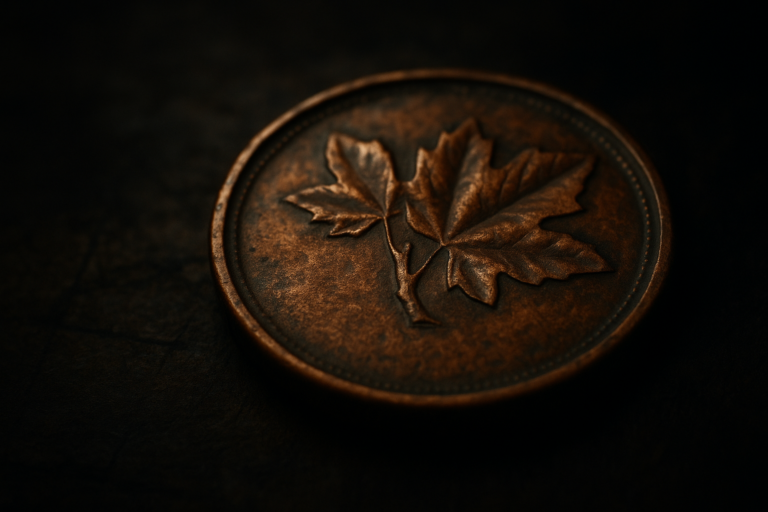
Rare 1973 Canadian Penny – The Story Behind an Unusual Canadian Coin
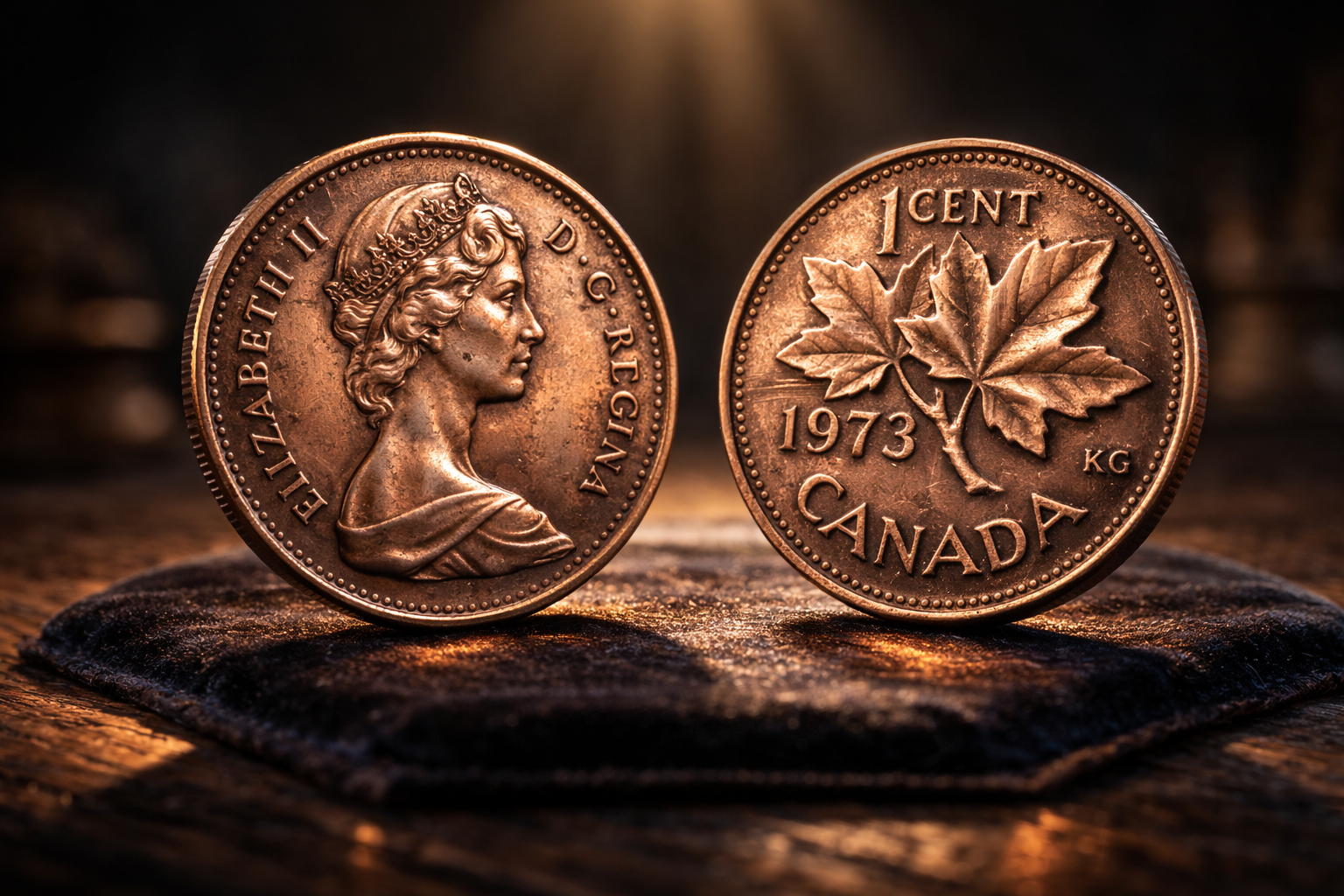
The nineteen seventy-three Canadian penny is one of those coins that feels familiar, yet quietly mysterious. It looks like a simple bronze cent with maple leaves on the back, the kind of coin that once passed through countless Canadian pockets. But collectors keep returning to it for a reason. Some examples look noticeably different from others, and that difference invites a story.
This article is not about hype. It is about understanding why people call certain nineteen seventy-three Canadian pennies unusual. We will walk through the design, the minting context, and the small variations that can make one coin stand out in an otherwise common year. If you enjoy North American coin stories, you may also like another famous North American coin with a unique story .
Table of contents.
- Quick facts about the nineteen seventy-three Canadian cent.
- The Canada of the early nineteen seventies.
- Obverse facts. The portrait side.
- Reverse facts. The maple leaf side.
- Why some examples look unusual.
- Common variations people notice.
- Mid-article table. What to check when comparing coins.
- How to compare two coins safely.
- Storage habits that preserve detail.
- Related HistoraCoin stories.
- FAQ.
Quick facts about the nineteen seventy-three Canadian cent.
The Canadian one-cent coin of this period is a classic design that many people instantly recognize. It is part of the long-running maple leaf cent tradition. The coin was made for daily circulation, which means it was struck in large quantities and used heavily. That combination explains why so many survive today in worn condition.
Yet survival is only part of the story. When collectors talk about an “unusual” example, they are often talking about a coin that looks different from the average survivor. That difference may come from strike strength, surface preservation, or tiny changes created during the minting process.
The Canada of the early nineteen seventies.
Coins feel ordinary when you find them in a jar. But the moment you place them back into their decade, they become small historical objects. In the early nineteen seventies, Canada was moving through a modernizing economy and a changing daily life. Cash still played a central role in everyday spending, and small coins were everywhere.
The one-cent coin was a tool of routine. It was used in corner stores, public transport change, school cafeterias, and small purchases that defined daily life. That is why a nineteen seventy-three cent can feel personal. It is not a museum-only coin. It is a coin that lived among people.
Obverse facts. The portrait side.
The obverse features Queen Elizabeth the Second, a portrait style used across multiple decades in Canadian coinage. On many surviving cents, the portrait details can appear soft because the coin circulated heavily. That makes well-preserved examples feel immediately different.
When you compare two coins from the same year, the portrait is often the first place where strike strength shows up. Look at the clarity of the hair detail, the sharpness of the lettering, and the smoothness of the fields around the portrait. These are the areas most affected by wear and handling.
Reverse facts. The maple leaf side.
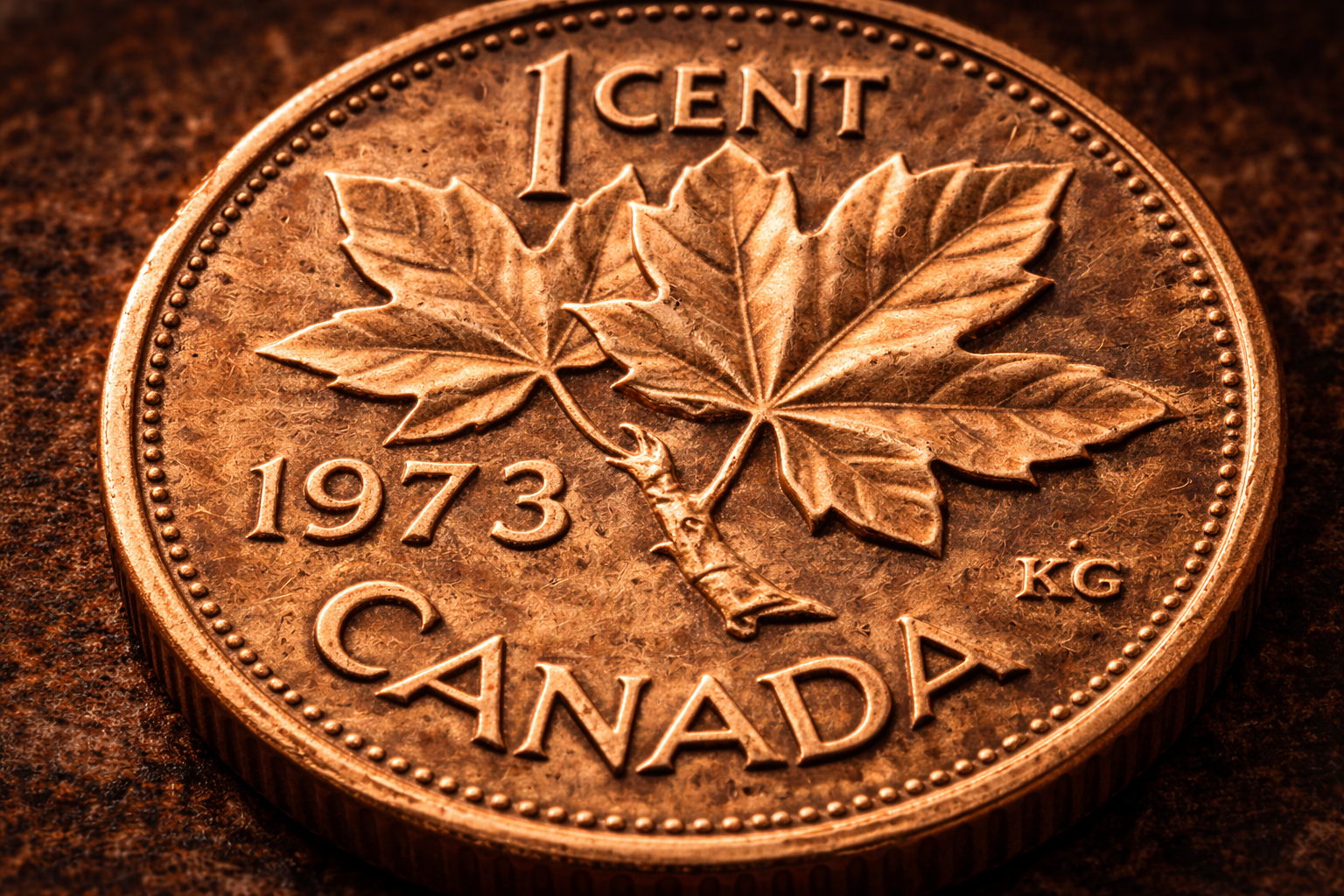
The reverse shows two maple leaves on a twig, one of the most iconic Canadian coin designs. It is simple, symbolic, and surprisingly detailed up close. The veins in the leaves, the shape of the twig, and the sharpness of the letters can vary noticeably from coin to coin.
This reverse is also where many “unusual looking” examples get noticed. A strong strike can make the leaves look crisp and sculpted. A weak strike can make them look flat. And surface changes can make the whole design appear darker, brighter, or even slightly different in tone.
Why some examples look unusual.
Most people discover the “rare” label the same way. They hold two coins from the same year and notice that one looks sharper, darker, or simply different. The mind jumps to rarity. But the truth is usually more grounded. Differences can come from how the coin was struck, how it was stored, and how it aged over time.
A coin that stayed in a dry drawer can preserve better surfaces than a coin that lived in pockets for years. A coin struck from a fresher die can look sharper than one struck from a worn die. And a coin that avoided harsh cleaning can keep its original character while others lose it.
Common variations people notice.
When collectors talk about variations on common cents, they often mean one of these themes. Strong strike versus weak strike. Clean surfaces versus heavily marked surfaces. Natural tone versus altered tone. And occasionally, small minting characteristics that repeat in the same places.
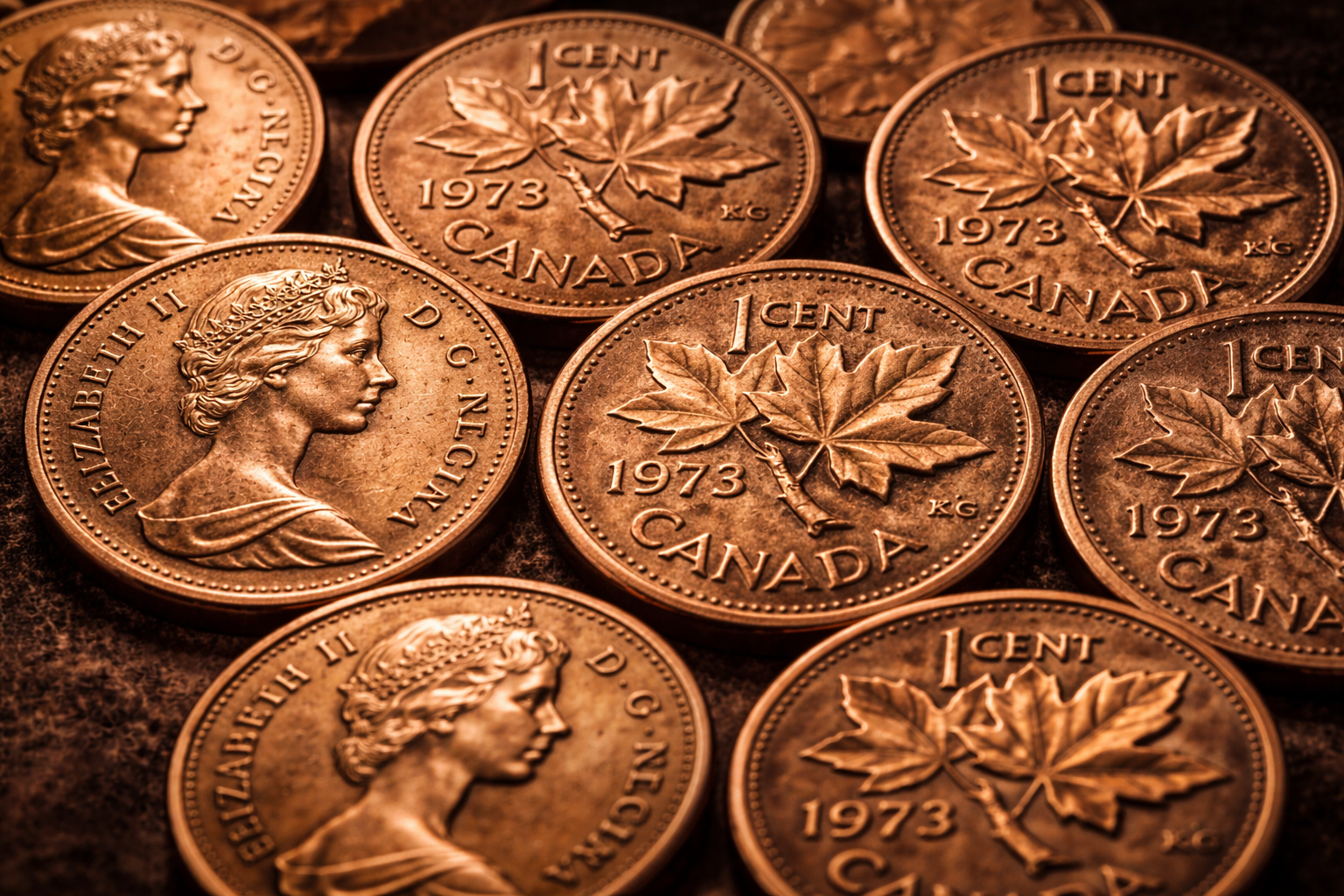
The key is comparison. If you want to know why one coin looks unusual, you need at least two examples in front of you. Compare under the same light. Compare the same areas. And do not rush to label a difference as rarity. Let the evidence guide you.
Mid-article table. What to check when comparing coins.
| What to compare. | What you might notice. | What it often means. |
|---|---|---|
| Lettering sharpness. | One coin has crisp letters, another looks soft. | Strike strength, die wear, or circulation wear. |
| Portrait detail. | Hair and facial detail appears clearer on one coin. | Condition difference or stronger strike. |
| Leaf veins and twig detail. | Leaves look sculpted on one coin, flat on another. | Die state differences or strike pressure changes. |
| Surface texture. | One coin has smooth fields, another has marks. | Handling history and circulation contact. |
| Color and tone. | One coin is darker or brighter. | Storage environment, oxidation, or cleaning. |
Mobile note. This table scrolls horizontally on phones to keep the layout readable.
How to compare two coins safely.
You do not need expensive tools to learn from a coin. You need calm light and a careful routine. Hold coins by the edges. Use neutral lighting. Compare the same areas each time, such as the date, the portrait detail, and the leaf veins on the reverse.
If a coin looks unusually sharp or unusually clean compared to the others, set it aside. Take clear photos before you do anything else. The goal is documentation, not instant conclusions. Over time, this habit builds a collector’s eye.
Storage habits that preserve detail.
If you keep a nineteen seventy-three Canadian cent, store it in a way that avoids new damage. A simple coin flip or protective sleeve is enough for basic preservation. Avoid humidity. Avoid rubbing coins together. And avoid cleaning.
An honest coin tells the clearest story. Even if the coin is common, its original surfaces are part of its history. Once those surfaces are changed, the best clues disappear.
Final takeaway.
The “rare” reputation of some nineteen seventy-three Canadian pennies often begins with a simple comparison. Two coins look different, and curiosity turns into research. The most valuable approach is calm study. Learn the design, compare carefully, and let the details tell you what is truly unusual.
Related HistoraCoin stories.
Continue exploring North America coins.
If you enjoy unusual North American coin stories, you may like 1973 Canadian Penny Variations .
FAQ.
Is the nineteen seventy-three Canadian penny rare.
Most examples are common circulation coins. The “rare” label usually refers to unusual appearance, strong condition, or specific variations rather than the year itself.
Why do two coins from the same year look different.
Differences often come from strike strength, die wear, storage conditions, and normal circulation marks. Comparing under the same light helps explain the changes.
Should I clean a Canadian penny that looks dark.
It is best not to. Dark tone can be natural aging. Cleaning can remove original surfaces and reduce the coin’s historical character.
What should I check first on the maple leaf side.
Look at the sharpness of the leaf veins, the twig detail, and the lettering clarity. These areas often show strike strength and wear differences.