Why Do Some Pennies Have No Mint Mark at All
Estimated reading time: 31 minutes
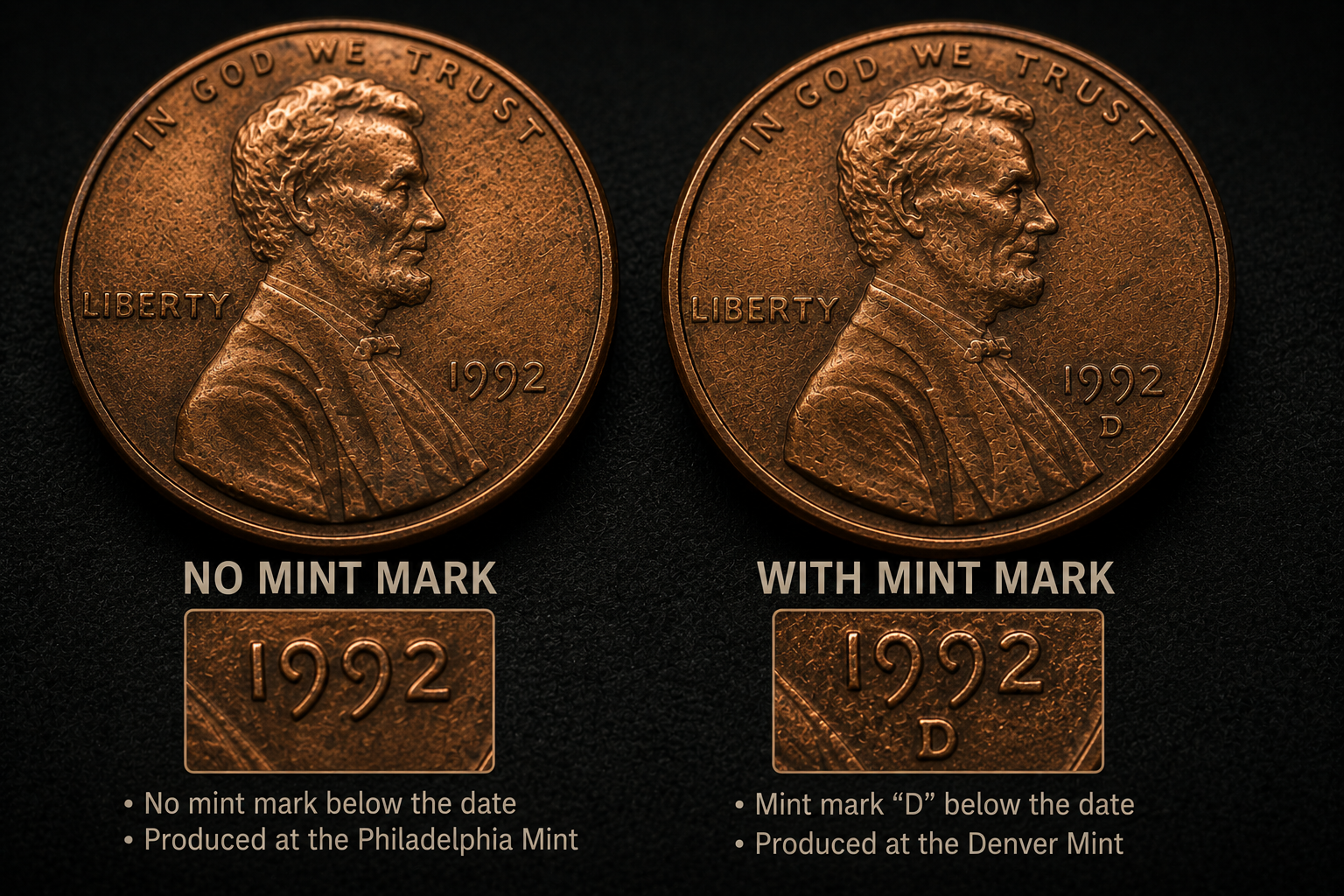
One of the first things people do when checking a penny is look for a mint mark. They expect to see a small letter below the date. Sometimes there is a D. Sometimes there is an S. But occasionally, there is nothing there at all.
That empty space creates instant confusion. Many people assume the coin must be rare, damaged, or missing part of the design. But the truth is far more interesting. In many cases, the missing mint mark was completely intentional and directly connected to how the U.S. Mint operated for decades.
- What Is a Mint Mark
- Where Mint Marks Appear on Pennies
- Why Some Pennies Have No Mint Mark
- The Role of the Philadelphia Mint
- How Mint Mark Rules Changed Over Time
- Why So Many People Think It Is an Error
- No Mint Mark vs Missing Mint Mark Error
- How Mint Marks Affect Coin Design
- Modern Pennies and Mint Marks
- Why the Empty Space Still Matters
What Is a Mint Mark
A mint mark is a small letter placed on a coin to identify where it was produced.
On modern Lincoln pennies, this letter usually appears below the date on the front side of the coin.
Different letters represent different U.S. Mint facilities:
| Mint Mark | Mint Location |
|---|---|
| D | Denver |
| S | San Francisco |
| W | West Point |
| No Mark | Usually Philadelphia |
That final category is where most confusion begins.
Many people expect every coin to carry a visible mint mark. When they find a penny without one, they immediately assume something unusual happened.
In reality, millions of pennies were intentionally produced without mint marks.
Where Mint Marks Appear on Pennies
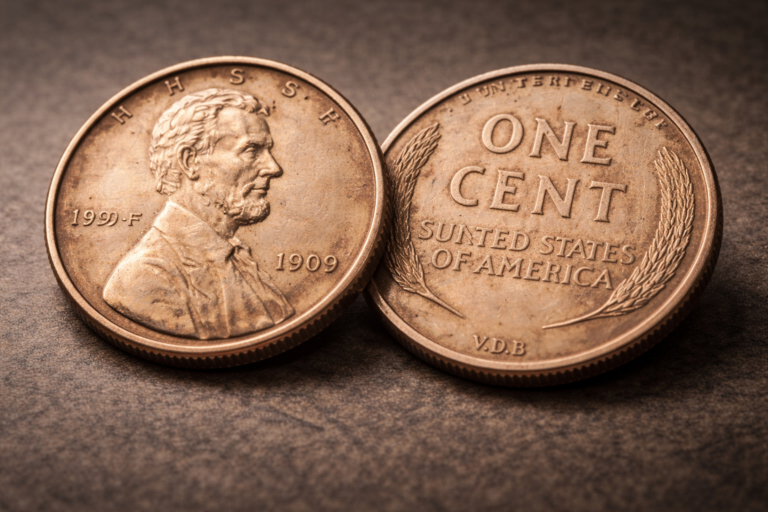
On Lincoln pennies, the mint mark is usually located directly below the date on the obverse side.
It is a very small detail, but once you know where to look, it becomes easy to recognize.
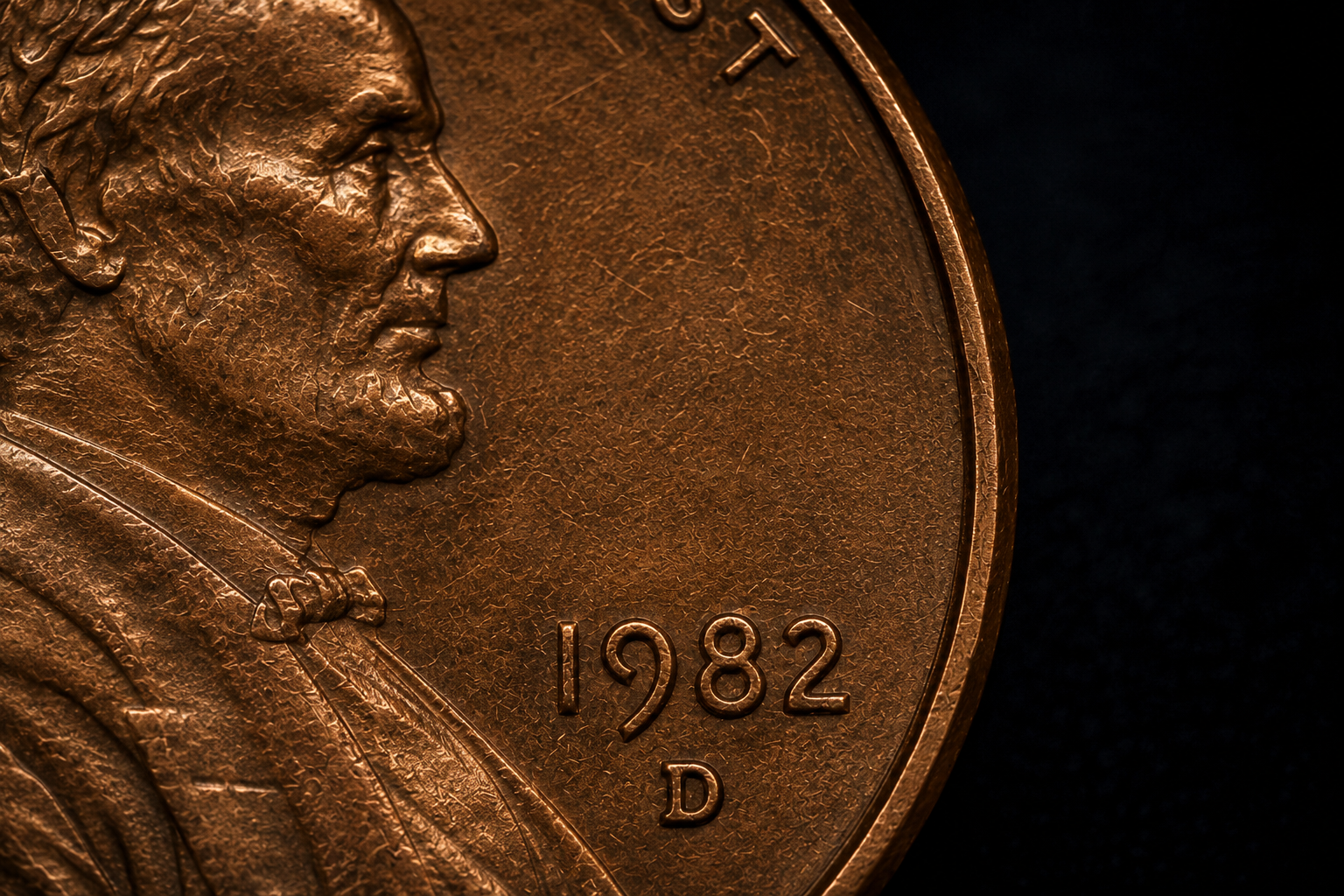
The placement is intentionally subtle. Mint marks were never designed to dominate the appearance of the coin. Their purpose was administrative rather than decorative.
Still, this tiny detail became one of the most important identifiers in modern U.S. coin collecting.
Why Some Pennies Have No Mint Mark
The simplest answer is this.
For much of modern U.S. coin history, pennies made in Philadelphia were not given mint marks.
That means the absence of a mint mark often indicates the coin was produced at the Philadelphia Mint.
This was standard practice for decades and was not considered unusual at the time.
The system worked because Philadelphia was viewed as the primary mint facility. Coins from other locations needed identification, while Philadelphia coins did not.
As a result, the “empty space” below the date became a silent identifier.
The Role of the Philadelphia Mint
The Philadelphia Mint holds a unique place in American coin history.
Established in the late eighteenth century, it became the first official U.S. Mint facility and remained the center of coin production for generations.
Because of this historical importance, coins from Philadelphia often circulated without mint marks.
The assumption was simple. Philadelphia represented the default origin unless another mint needed to be identified.
That historical tradition shaped the appearance of millions of coins.
Even today, many collectors instinctively associate “no mint mark” with Philadelphia.
How Mint Mark Rules Changed Over Time
One reason this topic confuses people is because mint mark rules did not stay consistent forever.
At different points in history, the U.S. Mint adjusted how mint marks were used.
For example, some wartime coins showed unusual mint mark placements. Certain proof coins carried different identifiers. And modern coins eventually began using the “P” mint mark more regularly on denominations that previously lacked it.
Pennies, however, followed their own path for much of the twentieth century.
That changing system is part of what makes mint marks feel confusing to beginners.
Why So Many People Think It Is an Error
Most people assume that if something is missing from a coin, it must be a mistake.
That assumption makes sense at first glance.
When someone compares a penny with a “D” mint mark to another penny with nothing below the date, the empty space immediately feels suspicious.
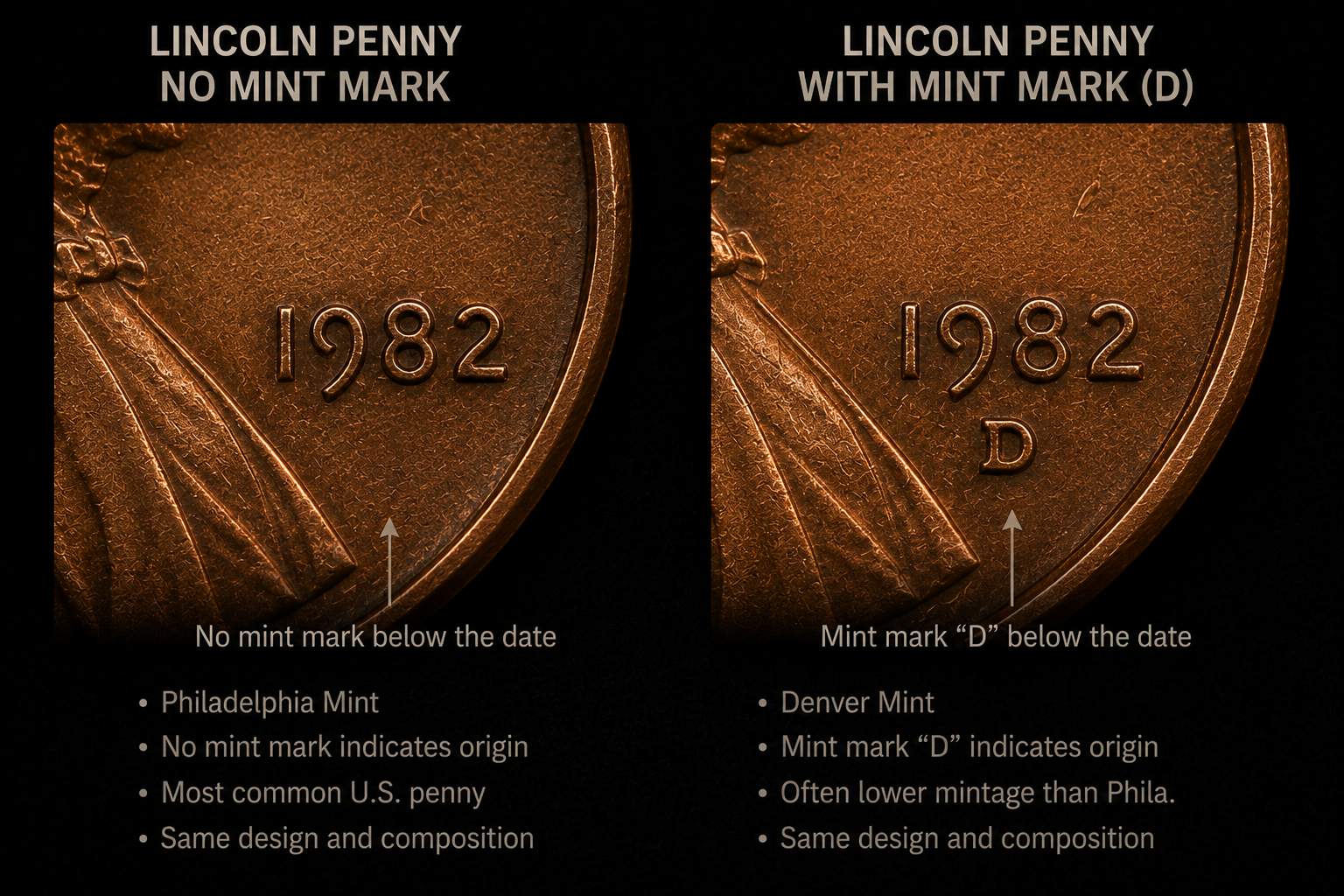
But in most cases, nothing is missing at all.
The coin was designed that way from the beginning.
This misunderstanding became even more common after online discussions started connecting missing mint marks with rare coin stories.
As a result, many people began checking every penny they found.
No Mint Mark vs Missing Mint Mark Error
This is one of the most important distinctions to understand.
A normal no mint mark penny is not the same thing as a genuine missing mint mark error.
| Type | Meaning |
|---|---|
| No Mint Mark | Usually produced intentionally in Philadelphia |
| Missing Mint Mark Error | A coin that should have a mint mark but does not |
Real missing mint mark errors are far more unusual because the mint mark was expected to appear but failed to transfer properly during production.
That is very different from a standard Philadelphia penny produced without any mint mark by design.
Understanding this difference prevents one of the most common beginner misunderstandings in coin collecting.
How Mint Marks Affect Coin Design
Even though mint marks are tiny, they subtly change how people visually experience a coin.
A penny with a mint mark feels slightly more balanced in the lower date area because the empty space is filled.
A penny without one appears cleaner and more open.
That difference is small, but once you notice it, the coins begin to feel visually distinct from one another.
This is especially noticeable on coins with stronger field contrast or sharper strike quality.
The eye naturally focuses on the empty area beneath the date.
That visual absence is part of what makes people stop and question the coin.
Modern Pennies and Mint Marks
Today, mint marks are far more familiar to the general public than they once were.
Collectors actively search for them. Online discussions constantly reference them. And modern coin guides frequently organize pennies by mint location.
Because of this, many newer collectors are surprised to discover how common no mint mark pennies actually are.
The situation becomes even more confusing when people compare older pennies to modern varieties with different mint mark rules.
This broader history also connects to other major penny transitions, such as the changes discussed in why the 1982 penny exists in so many different versions.
Why the Empty Space Still Matters
At first glance, the absence of a mint mark seems unimportant.
But that empty space tells a larger story about American coin production.
It reflects the dominance of the Philadelphia Mint, the evolution of mint identification rules, and the way small design details shape how people interpret coins.
It also reveals something interesting about human perception.
People notice what is missing faster than what is present.
That is why the no mint mark penny continues to create curiosity generation after generation.
Once you understand the history behind it, the empty space no longer feels strange. It feels intentional.
And that changes the way the coin is seen forever.
If you enjoy studying subtle penny differences, you may also like how to identify copper and zinc pennies or the unusual design variations explored in hidden details on the 1955 doubled die penny.
FAQ
Why do some pennies have no mint mark
Most no mint mark pennies were produced intentionally at the Philadelphia Mint.
Does no mint mark mean the penny is rare
Not usually. Many Philadelphia pennies were made without mint marks.
Where is the mint mark located on a penny
It normally appears below the date on the front side of the coin.
Is a missing mint mark always an error
No. Most no mint mark pennies are normal coins, not minting mistakes.