How Coin Stories Are Often Distorted by Modern Price Obsession
Estimated reading time: 14–16 minutes
Across cultures and continents, coins have always carried meaning far beyond their physical size. They were created to solve real problems, reflect authority, and communicate identity. Yet in modern times, many coin stories are retold through a narrow lens that reshapes their original purpose. When contemporary price obsession becomes the dominant filter, historical meaning quietly fades.
Table of Contents
- Coins as Historical Documents
- Fact Card | Reading Coins Correctly
- How Distortion Appears Across the World
- Physical Evidence on Original Coins
- Context-First vs Outcome-First Interpretation
- Myth vs Fact
- Restoring Coin Stories Without Hype
- Quote-Ready Perspective
- Sources and Methodology
- Final Reflection
Coins as Historical Documents
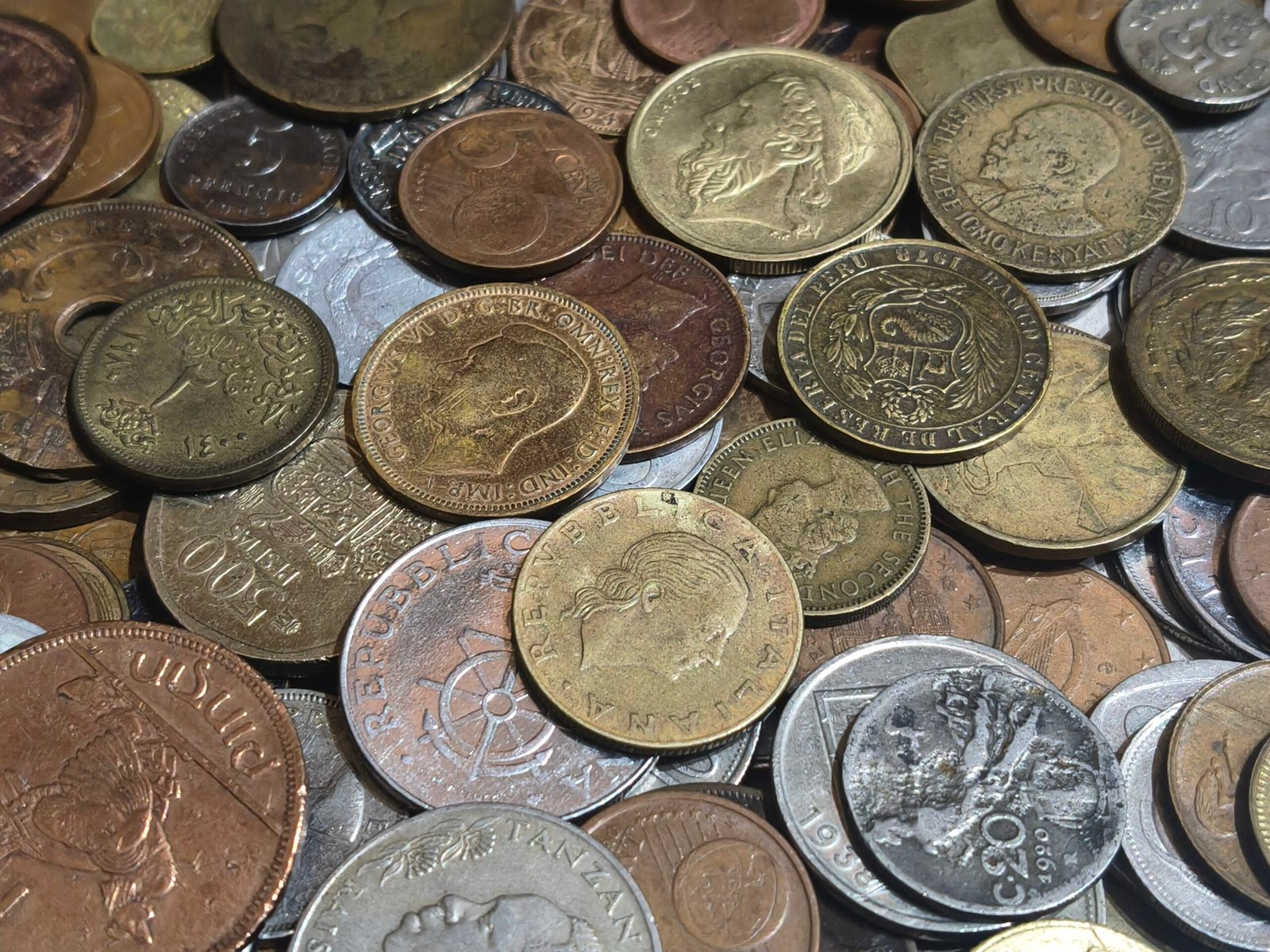
Long before modern collecting culture existed, coins functioned as public records. In ancient Asia, dynastic coins reinforced imperial authority. In Europe, medieval and early modern coins declared sovereignty through portraits and heraldry. In the Islamic world, inscriptions communicated religious and political legitimacy. In Africa, locally minted coinage reflected trade networks and regional power.
None of these coins were created with modern attention in mind. Their value came from trust, recognition, and necessity. Understanding this universal role is essential before applying any modern narrative.
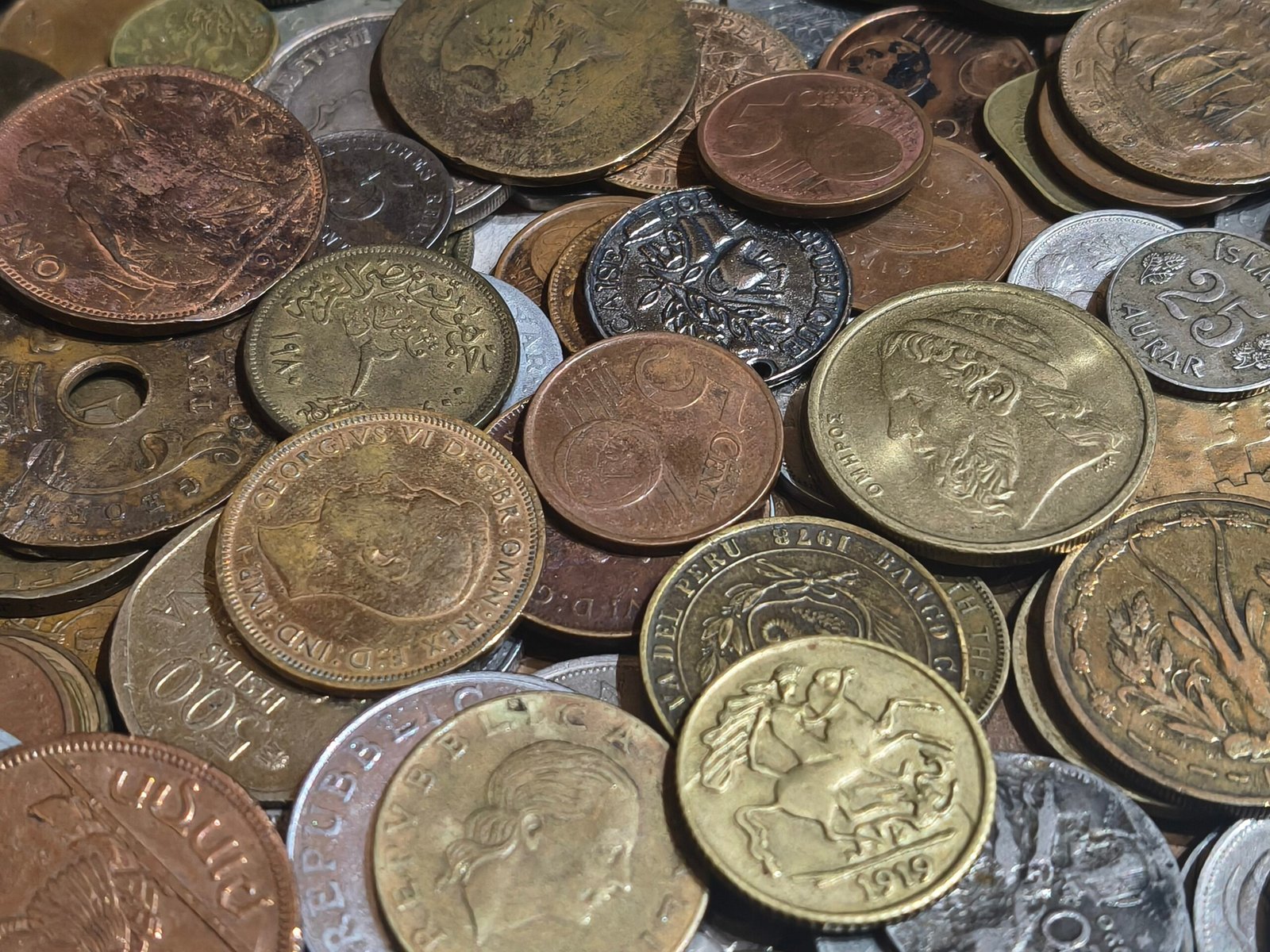
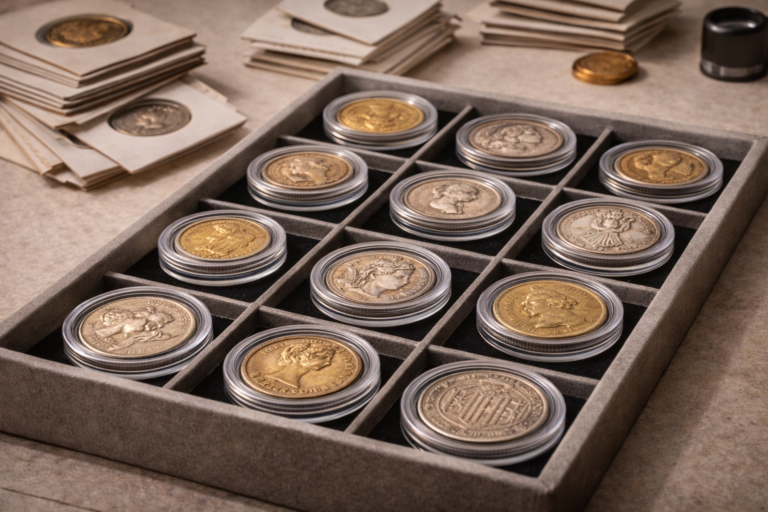
Caption: Modern narratives can overshadow the original historical voice of a coin.
Image credit: HistoraCoin
Fact Card | Reading Coins Correctly
Primary purpose: Historical and societal communication
Global scope: Universal across civilizations
Key indicators: Material, design, inscriptions, circulation wear
Correct approach: Start with context, not modern interpretation
How Distortion Appears Across the World
The distortion of coin stories is not limited to one country or era. In the United States, wartime material changes are often discussed without acknowledging the industrial pressures behind them. In Europe, post-war redesigns are sometimes separated from the political rebuilding they symbolized. In Asia, older coinage is occasionally reduced to simplified labels that ignore centuries of monetary philosophy.
In the Middle East and Africa, coins that once marked transitions of power or trade dominance are sometimes misunderstood when modern narratives remove them from their historical framework. This global pattern shows that distortion is not accidental; it is a byproduct of storytelling that prioritizes modern attention over original context.

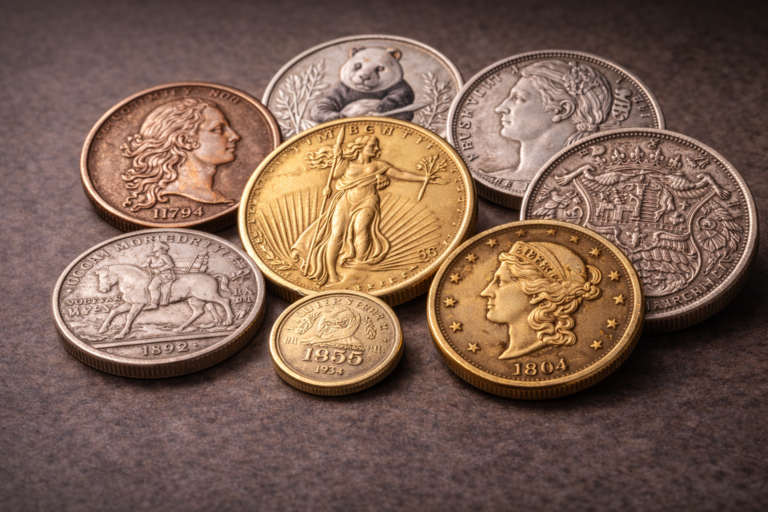
Caption: Across regions, modern storytelling often reshapes how coin history is perceived.
Image credit: HistoraCoin
Physical Evidence on Original Coins
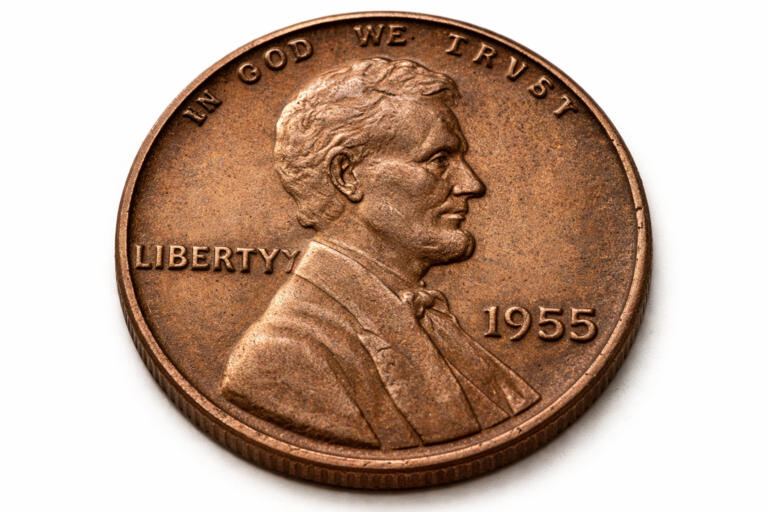
Original coins preserve evidence that no narrative can replace. Surface wear reveals circulation intensity. Metal quality reflects resource availability. Design simplifications point to urgency. These signals appear on coins from every region of the world and allow historians to read them as physical witnesses.
When these details are ignored, coins lose their voice. They become objects of commentary rather than documents of lived experience.
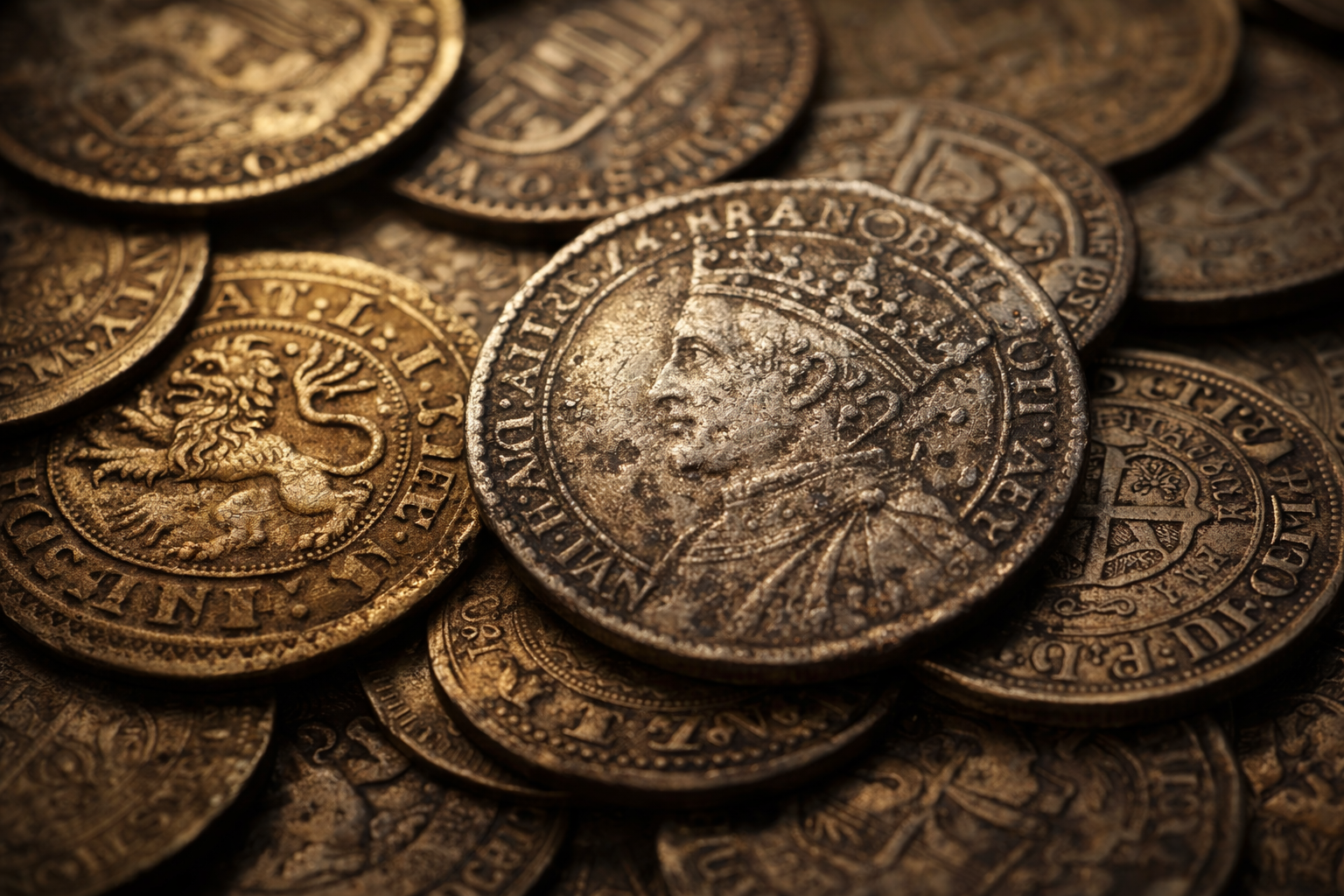
Caption: Coins carry layered stories that unfold through careful observation.
Image credit: HistoraCoin
Context-First vs Outcome-First Interpretation
Context-first interpretation asks historical questions: what conditions existed, what decisions were made, and how society responded. Outcome-first interpretation begins with modern conclusions and works backward. Only the former preserves meaning.
Myth vs Fact
Myth: Coin stories are shaped by modern discussion.
Fact: Coin stories are shaped by historical circumstances.
Restoring Coin Stories Without Hype
Restoring accurate coin history requires patience, observation, and respect for evidence. When coins are allowed to speak through their original context, they regain their role as witnesses rather than projections.
Quote-Ready Perspective
When modern priorities override historical context, coin stories become distorted reflections of the present rather than faithful records of the past.
Sources and Methodology
This article draws on historical mint records, museum archives, academic numismatic research, and examination of original coins from a private historical collection spanning multiple regions.
Final Reflection
Coins belong to history before they belong to conversation. By restoring context and resisting modern obsession, we allow these objects to tell the stories they were meant to carry.

HistoraCoin Team
HistoraCoin publishes educational, AdSense-safe content that explores coins as historical records, focusing on context, design, and human decisions rather than modern hype.