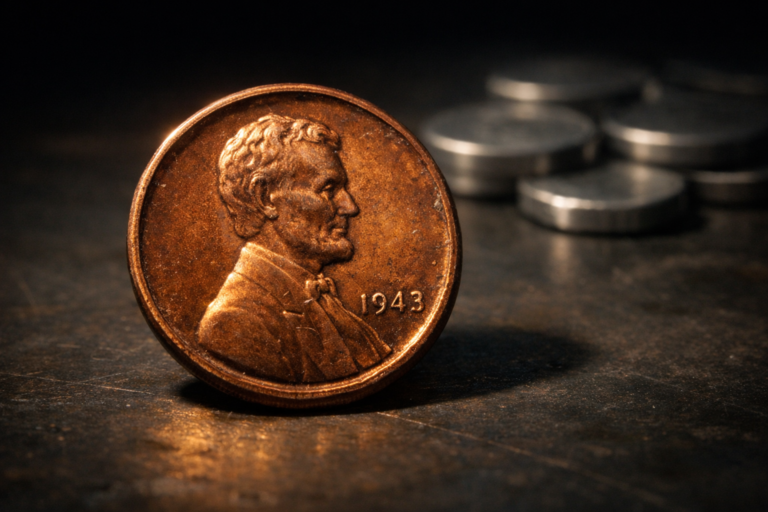
How to Check If Your Coin Is Real Silver or Just Plated
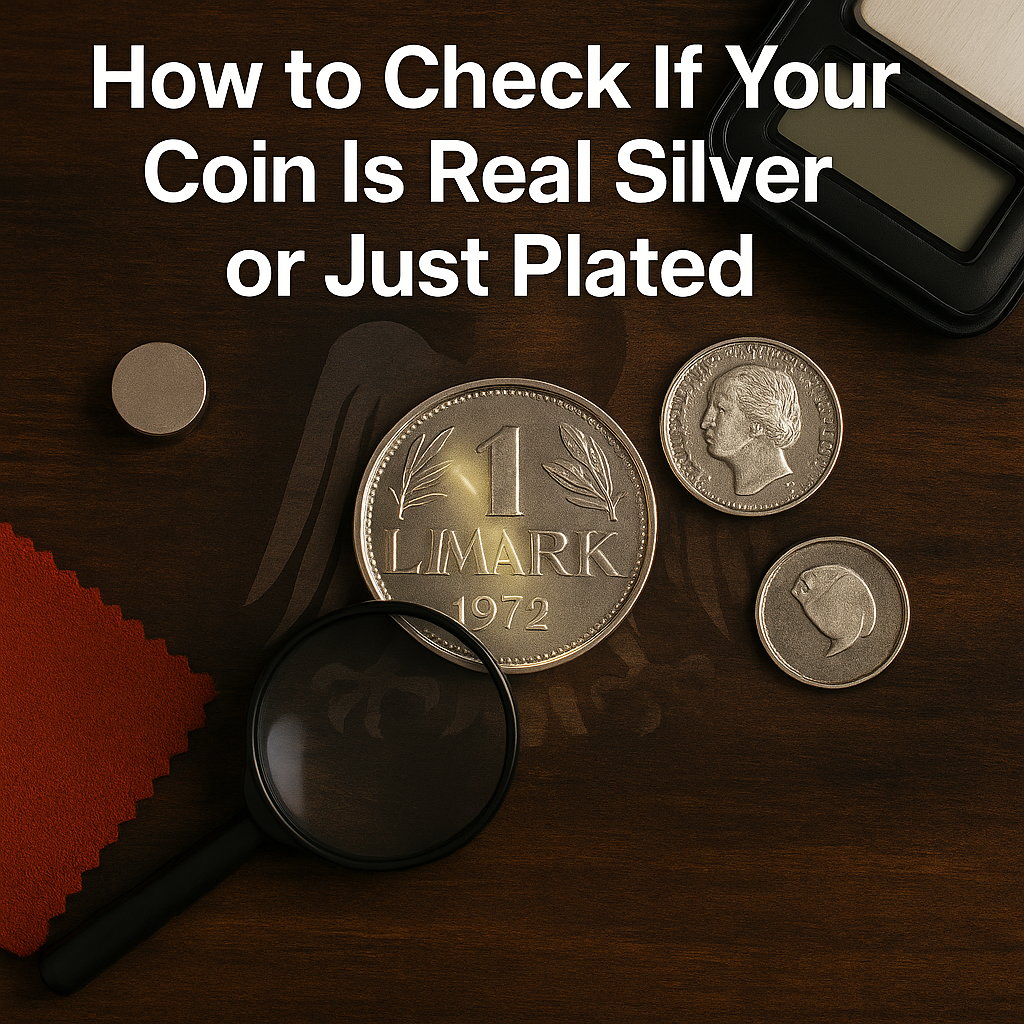
How to Check If Your Coin Is Real Silver or Just Plated
So, you’ve just found an old coin that looks silver. Maybe it’s a family heirloom, a flea-market find, or something that’s been sitting in your drawer for years. But here’s the question that every collector, beginner, or treasure hunter eventually asks: how to check if your coin is real silver or just plated?
Don’t worry — you’re not alone. Many people discover coins that “look” valuable but aren’t sure what they’re actually made of. Silver coins can be worth anywhere from a few dollars to thousands, depending on their purity, age, and rarity. So before you get too excited (or disappointed), let’s go through some practical, easy-to-follow methods to tell the real silver from the impostors.
Why It Matters to Know If Your Coin Is Real Silver
Silver is one of the most beloved metals in numismatics. It’s beautiful, it doesn’t rust, and it’s been used in coinage for thousands of years. But it’s also valuable — which means counterfeits and plated versions are everywhere. Knowing how to check if a coin is real silver helps you avoid scams, make smart purchases, and truly appreciate what’s in your collection.
Even if your coin isn’t pure silver, understanding its composition is part of the fun. Every test you do teaches you something new about craftsmanship, metalwork, and the art of minting. Let’s start with the simplest tests anyone can do at home — no fancy tools required.
1. The Visual Inspection
Before using any scientific tools, your eyes are your best instruments. Real silver coins have a unique look and feel that’s hard to fake once you know what to look for.
- Color and Shine: Silver has a soft, almost “white-gray” tone with a natural luster. It’s not mirror-like shiny — that’s a red flag for plating.
- Tarnish: Real silver tarnishes over time, forming a dark patina or rainbow-like hues. Plated coins often fade unevenly or peel at the edges.
- Details and Edges: Look for fine engravings. Cheaply plated coins often have blurry or softened details due to the coating process.
- Markings: Many genuine silver coins include marks like “.925”, “.900”, or “Sterling.” Absence doesn’t always mean fake — but it’s a clue worth noting.
Pro tip: Hold your coin under natural light, not artificial bulbs. Real silver reflects light softly, while plated metals often give off a bluish or overly bright glare.
2. The Sound Test (The “Ping” Test)
One of the oldest and most reliable ways to tell if your coin is real silver is by listening to it. Silver has a distinctive ring when struck — long, clear, and bell-like. Other metals sound dull or flat.
Here’s how to do it:
- Hold the coin on the tip of your finger.
- Tap it gently with another coin.
- Listen to the sound: a pure silver coin will give a high-pitched, ringing tone that lasts for a second or two. A plated coin will make a short “thud” sound.
If you’re unsure, you can find online tone comparisons — some coin enthusiasts even record the “ping” of known silver coins for reference. Once you’ve heard it a few times, you’ll never forget the sound.
3. The Magnet Test
Here’s an easy one: grab a magnet. Silver is not magnetic, so if your coin sticks firmly to a magnet, it’s definitely not pure silver.
But here’s where it gets interesting — some fakes use non-magnetic base metals, so a coin passing the magnet test doesn’t automatically mean it’s real. Still, it’s a quick way to eliminate obvious counterfeits.
- If the coin sticks to the magnet → fake or plated with magnetic metals like nickel.
- If the coin slides slowly down a strong magnet at an angle → likely silver (because silver is diamagnetic, it resists slightly).
So, while not definitive, the magnet test is a great first filter — especially when you’re sorting through multiple coins quickly.
4. Combining the First Three Tests
By now, you’ve looked, listened, and tested. If your coin passes all three — realistic luster, musical ring, and no magnet reaction — congratulations, you probably have a genuine silver piece. But if you want to be 100% certain, you’ll need to move on to the advanced tests we’ll cover in the next section.
In Part Two, we’ll go deeper — checking weights, using acid safely, understanding professional testing methods, and learning when to call in an expert. Because when it comes to identifying silver coins, every detail counts.
5. The Weight and Dimension Test
One of the most accurate non-destructive ways to check if a coin is real silver is to compare its weight and size to official mint specifications. Silver has a specific density (10.49 g/cm³), meaning that any fake made from other metals will likely be lighter or heavier.
What you’ll need:
- A precise digital scale (preferably one that measures to 0.01g).
- A caliper or ruler for measuring diameter and thickness.
For example, a genuine 1 oz American Silver Eagle should weigh exactly 31.103 grams and have a diameter of 40.6 mm. Even a 0.1g or 0.2g deviation can be a red flag. Similarly, for older silver coins, you can easily find mint specs online to compare with.
If your coin’s weight or size is noticeably off, it might be plated or made from a different alloy. This test alone has saved collectors from expensive mistakes countless times.
6. The Ice Test (A Fun and Safe Method)
This is one of the simplest ways to spot real silver — and it’s surprisingly effective. Silver conducts heat better than almost any other metal, so when you place ice on a genuine silver coin, it will melt much faster than on a fake.
Try this at home:
- Put two coins side by side — one you know is silver, and your coin in question.
- Place a small ice cube on each.
- If the ice melts noticeably faster on one coin, that’s your silver.
It’s a simple, harmless experiment that demonstrates one of silver’s most fascinating physical traits — its thermal conductivity.
7. The Acid Test (Use with Caution!)
If you want to go one step further, silver testing acid kits are available online or at jewelry stores. They’re accurate but should be used carefully — a single drop can discolor or slightly damage a coin’s surface.
How it works:
- Scratch a tiny spot (preferably on the coin’s edge).
- Apply a drop of silver testing acid.
- If the liquid turns bright red or brown → it’s real silver.
- If it turns green or blue → it’s fake or plated.
Collectors often avoid using acid on valuable coins, preferring professional testing instead. But for low-value or uncertain pieces, it’s a reliable way to confirm authenticity.
8. Professional Testing: XRF and Specific Gravity
If you’re serious about collecting or investing, professional testing is the ultimate confirmation. Jewelers, coin dealers, and grading companies use tools like X-Ray Fluorescence (XRF) analyzers that can identify a coin’s metal composition without damage.
Another scientific method is the specific gravity test — measuring the coin’s weight in air and in water to calculate its density. The closer the result is to 10.49, the purer the silver.
These methods are fast, precise, and 100% non-destructive — perfect for rare or valuable coins.
9. Common Mistakes Beginners Make
- Assuming shine equals silver: New collectors often mistake polished nickel for silver.
- Ignoring weight and sound: Relying only on looks can be misleading.
- Using magnets incorrectly: A weak magnet won’t show results; use a strong neodymium magnet instead.
- Testing valuable coins with acid: Never use acid on coins you plan to sell or grade professionally.
10. Reality Check: Silver Coins vs. Silver-Plated
Let’s be real — not every shiny coin is a hidden treasure. The market is full of plated souvenir coins, tokens, and replicas. But that doesn’t mean they’re worthless. Many plated pieces hold sentimental or artistic value. The key is knowing what you have so you can appreciate it honestly.
If your coin turns out to be silver-plated, don’t be discouraged. Even these can be fun to collect, especially when they tell a story or belong to a special series.
11. FAQs About Testing Silver Coins
Q: What’s the fastest way to check if a coin is silver?
A: The magnet and ping tests together are fast, non-damaging, and 90% reliable.
Q: Will cleaning my silver coin help me identify it?
A: No — cleaning can reduce collector value and remove natural patina. Always test before cleaning.
Q: Can I tell real silver just by color?
A: Experienced collectors often can, but beginners should combine visual checks with simple tests for accuracy.
12. Watch It in Action
Seeing is believing. We’ve created a short video demonstrating these tests — from the sound ping to the ice experiment — so you can learn visually before trying them yourself:
13. Final Verdict
Learning how to check if your coin is real silver or just plated isn’t about expensive equipment — it’s about curiosity, observation, and a few clever tricks. Start with the simple tests, confirm with science if needed, and enjoy the process. Every collector, no matter how experienced, began by asking the same question you did.
So whether your coin turns out to be solid silver or just beautifully plated, it’s part of your journey through history, discovery, and passion for numismatics.