How to Spot Coin Errors Easily
Estimated reading time: 20 minutes
Most people handle coins every day without ever noticing anything unusual. But hidden among ordinary coins are small mistakes that can completely change how a coin looks.
The surprising part is this. You do not need special tools or expert knowledge to spot these errors. You just need to know what to look for and where to focus your attention.
Where to Start When Checking a Coin
The first step is simple. Slow down.
Most errors are missed because people look too quickly. A coin might appear normal at first glance, but small details only become visible when you take your time.
Start by checking three areas:
- The lettering
- The edges
- The main design
These areas reveal most of the common errors.
Common Types of Coin Errors
| Error Type | What to Look For |
|---|---|
| Doubled Design | Letters or features appear duplicated |
| Off Center Strike | Design is shifted away from the center |
| Weak Strike | Details appear faded or incomplete |
| Missing Elements | Parts of the design are absent |
Each of these errors has a different cause, but they all share one thing in common. They create visible differences in the coin.
Doubled Letters and Designs
One of the easiest errors to recognize is doubling.
Letters may appear slightly repeated or shadowed. This is not damage. It is a result of how the coin die was made.
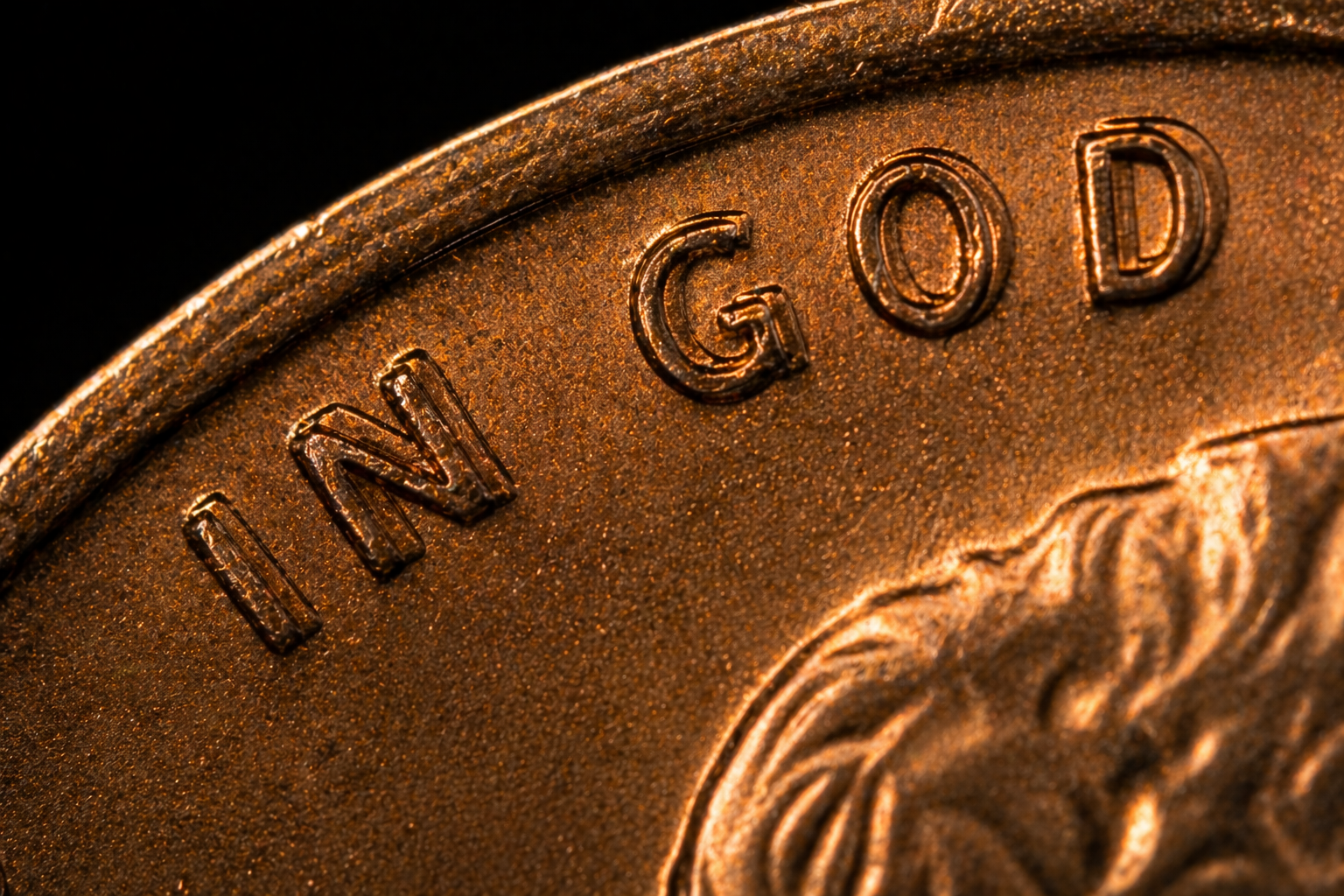
If the doubling looks clean and consistent, it is likely a real minting error.
Off Center Strike Errors
Another easy error to spot is an off center strike.
This happens when the coin is not properly aligned during minting.
As a result, part of the design appears shifted or even missing.
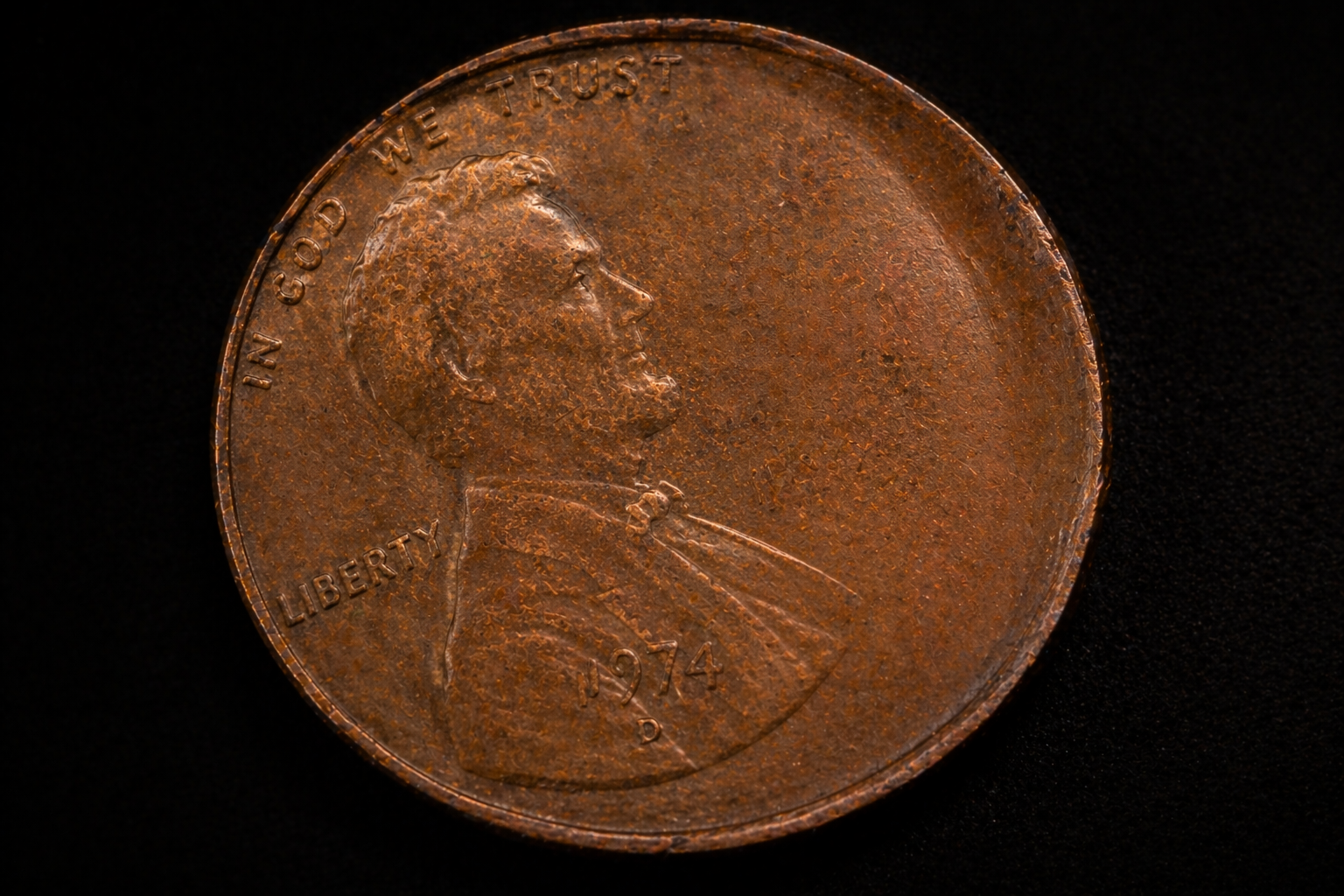
These errors are easy to recognize because the difference is immediately visible.
Missing or Weak Details
Some errors are less obvious.
Instead of showing extra details, they show less.
Parts of the design may appear faint or incomplete. This can happen when the coin is not struck with enough pressure.
These are called weak strikes.
Difference Between Error and Wear
This is where many people make mistakes.
Wear happens after the coin is used. Errors happen during production.
Here is a simple way to tell the difference:
| Feature | Error | Wear |
|---|---|---|
| Pattern | Consistent | Random |
| Surface | Clean and sharp | Smooth and faded |
| Location | Specific area | Across entire coin |
Understanding this difference is critical.
For example, the famous 3 legged Buffalo nickel is a true mint error, not wear.
How to Train Your Eye
The more coins you look at, the easier it becomes.
Start comparing coins side by side. Look at small differences. Focus on one detail at a time.
You can also learn a lot by studying coins with known hidden details, such as hidden design features on classic coins.
Over time, your eyes will naturally start spotting patterns.
Common Mistakes Beginners Make
Many beginners assume every unusual coin is an error.
But that is not always true.
Dirt, scratches, and wear can create misleading appearances.
Another common mistake is ignoring small details. Real errors are often subtle, not dramatic.
The key is patience and observation.
FAQ
What is the easiest coin error to spot
Off center strikes are usually the easiest because the difference is obvious.
How can I tell if doubling is real
Real doubling appears clean and consistent, not random or scratched.
Are coin errors common
Some types are common, but many go unnoticed.
Do I need tools to find coin errors
No, careful observation is often enough to identify basic errors.