Hidden Details on the 1943 Steel Penny
Estimated reading time: 23 minutes
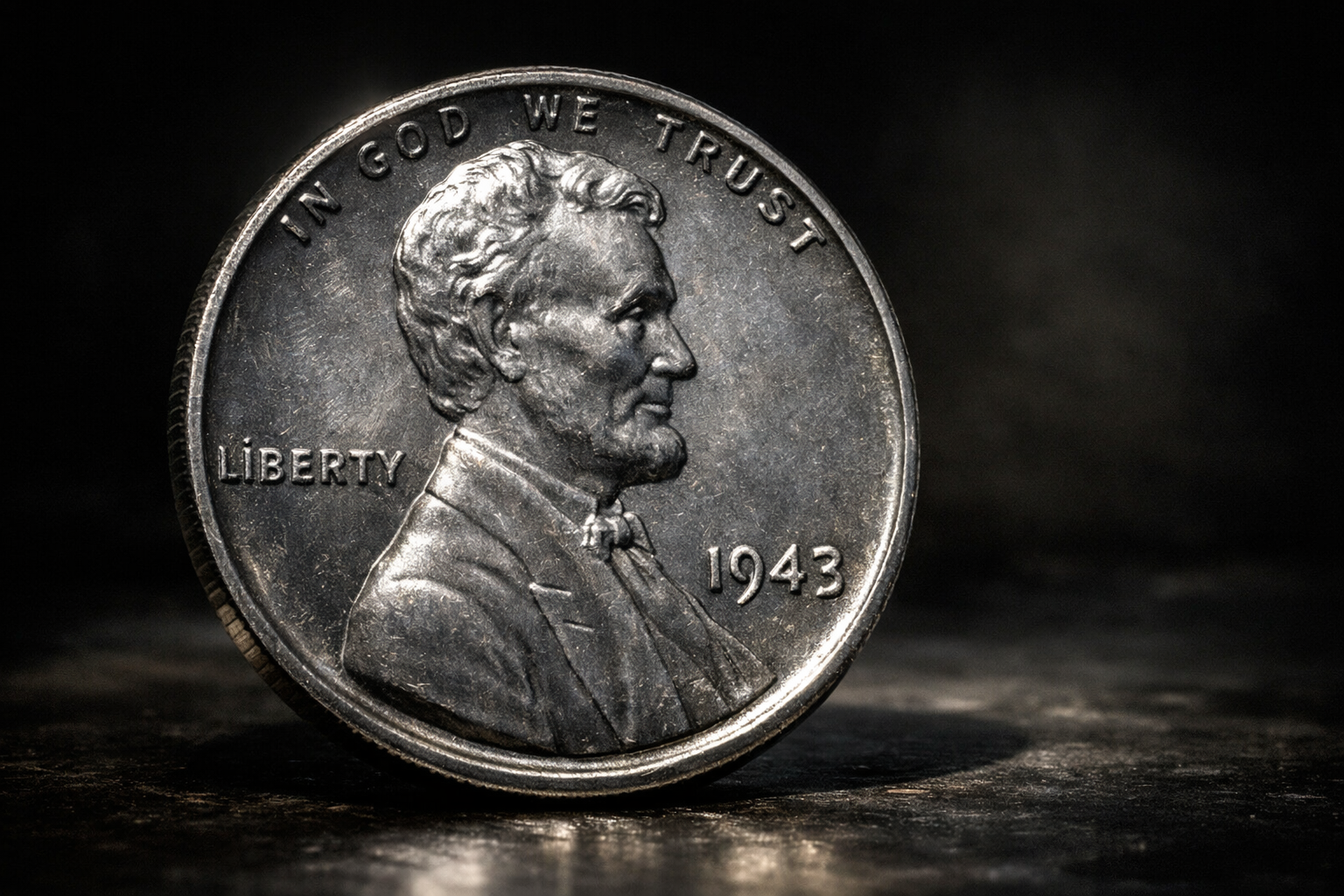
The first time you see a 1943 steel penny, something feels off. It does not look like a penny at all. The color is wrong. The shine is different. It almost feels like a completely different coin.
And that feeling is not accidental. Because this coin is not just different on the surface. It is different in every possible way. From the metal inside it to the way it reacts in your hand. And once you start noticing the hidden details, it becomes one of the most fascinating coins ever made.
Why the 1943 Penny Looks Different
The biggest hidden detail is actually the reason the coin exists.
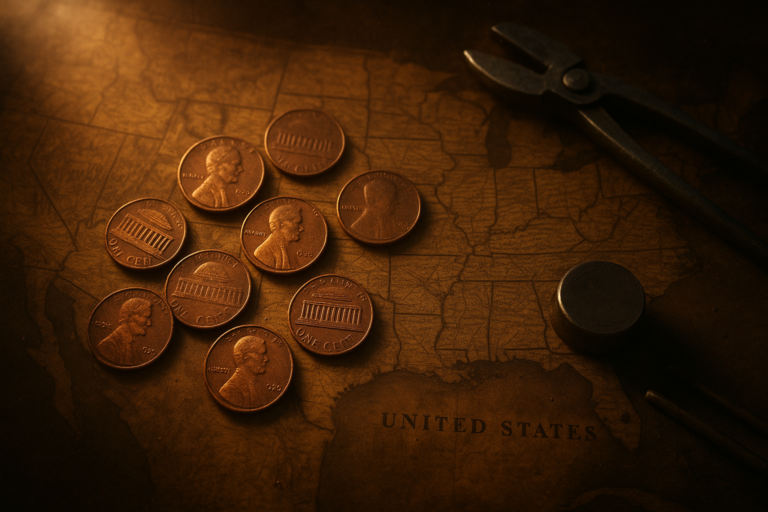
In 1943, copper was needed for World War II. It was used in ammunition and military equipment. So the U.S. Mint made a decision.
They removed copper from the penny and replaced it with steel coated in zinc. :contentReference[oaicite:0]{index=0}
This single decision changed everything about the coin.
For the first time, a U.S. penny was no longer made of copper at all.
The Hidden Texture of the Surface
At first glance, the coin looks smooth. But if you look closely, the surface tells a different story.
The zinc coating creates a slightly grainy texture. It reflects light differently than copper. Instead of a warm glow, you get a colder metallic shine.
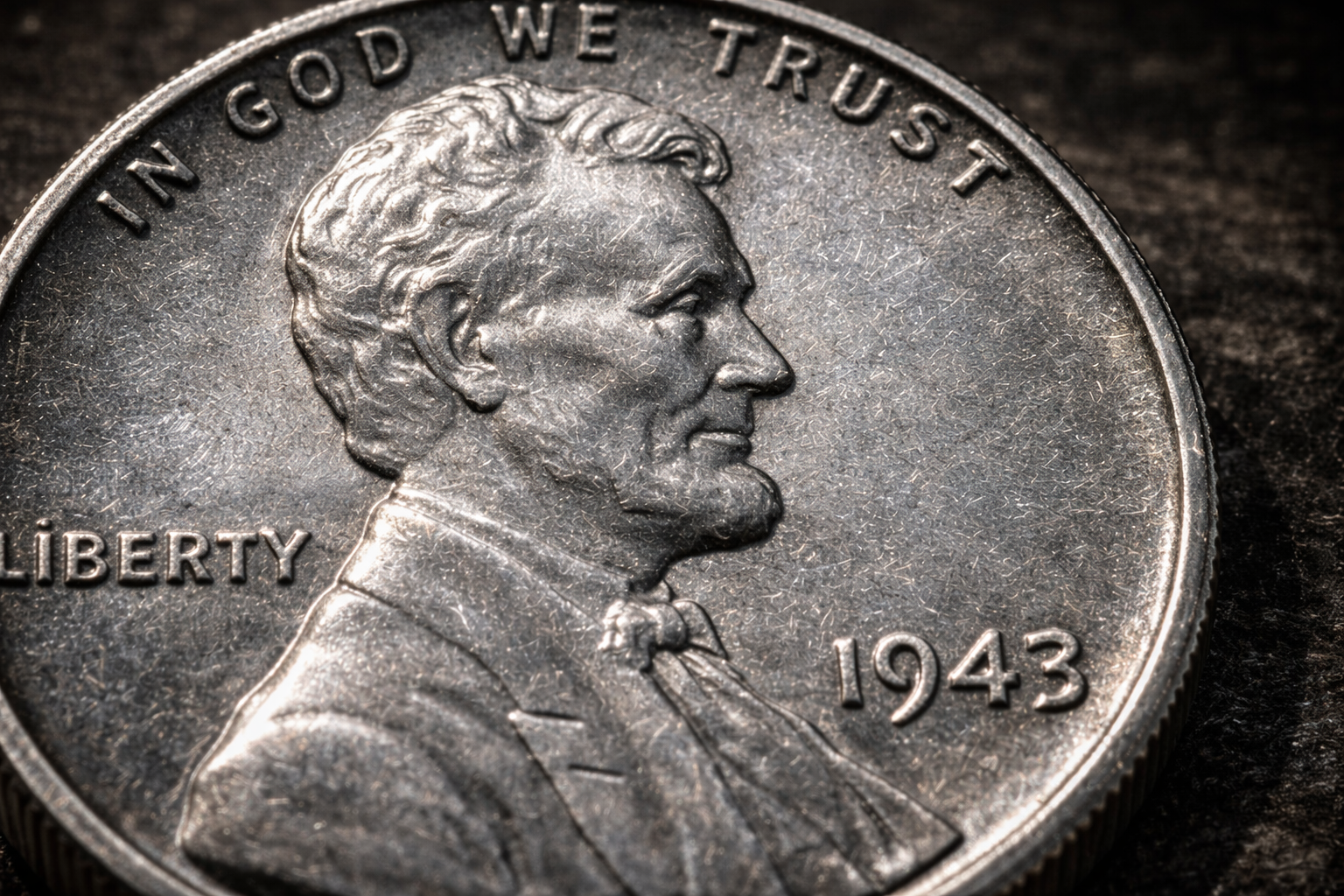
This is one of the easiest ways to recognize the coin even without checking the date.
The Magnetic Secret
Here is a detail that surprises almost everyone.
The 1943 steel penny is magnetic.
That means it will stick to a magnet, unlike any normal penny. :contentReference[oaicite:1]{index=1}
This happens because of the steel core inside the coin.
This is not just a fun trick. It is one of the most reliable ways to identify a real steel penny.
Color Difference That Changes Everything
If you place a 1943 steel penny next to a regular copper penny, the difference is immediate.
One is silver-gray. The other is reddish-brown.
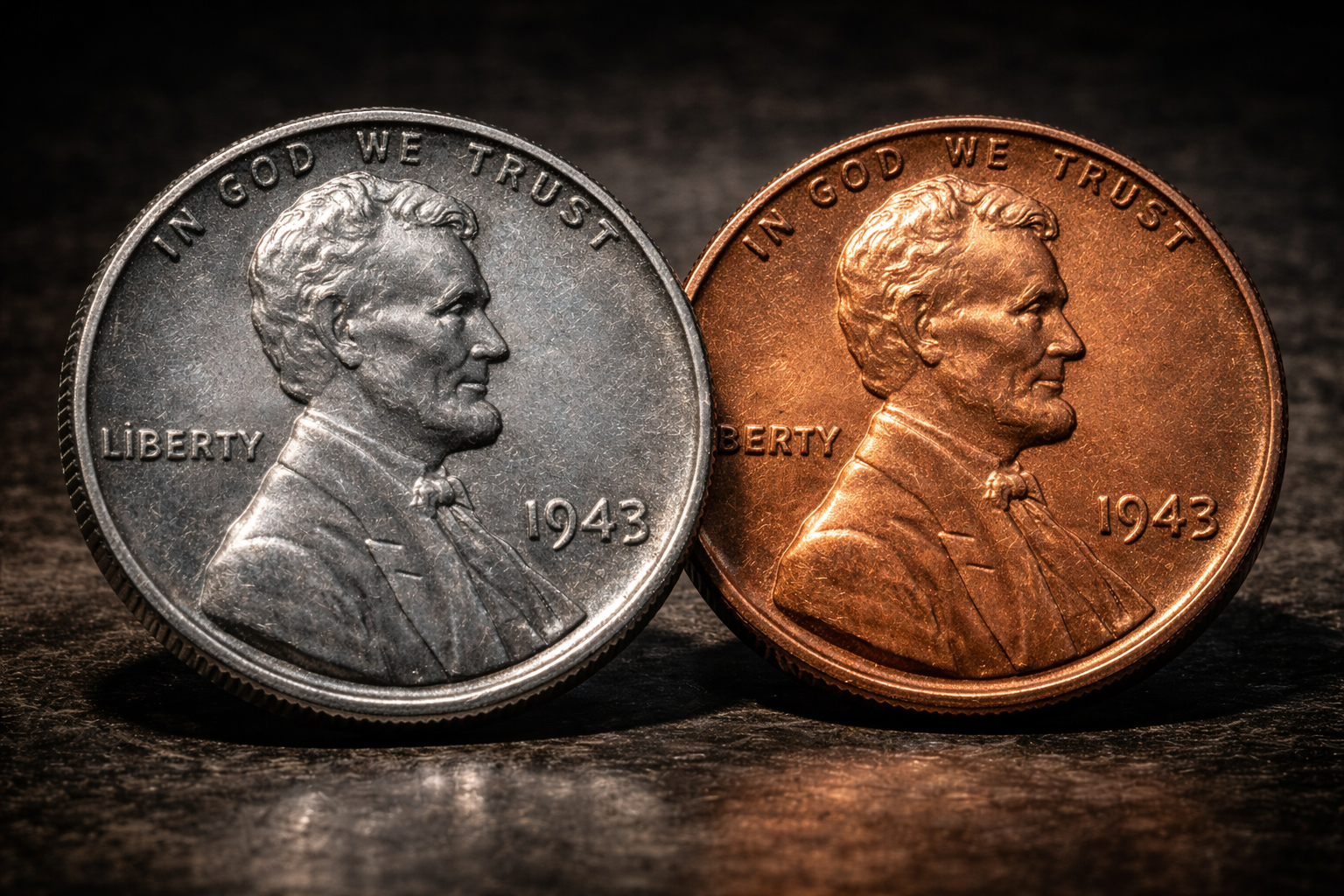
This color difference is not just visual. It reflects a complete change in material and purpose.
If you want to understand how pennies changed over time, see how penny materials evolved.
The Rust Detail Most People Miss
Here is one of the most overlooked hidden details.
Steel can rust. Copper does not.
Because the coin is made of steel with a zinc coating, any damage to that coating can expose the metal underneath.
Once that happens, rust can appear quickly, especially in humid conditions. :contentReference[oaicite:2]{index=2}
This is why many 1943 pennies look darker or uneven today.
How Steel Changed the Strike
Steel behaves differently than copper when struck.
The coin required more pressure during minting. This affected how details appear on the surface.
Some coins show very sharp details. Others look slightly different compared to traditional copper pennies.
This is a subtle but important difference that many people never notice.
The Rare Copper Mistake
There is one detail that turns this story into something legendary.
A few 1943 pennies were accidentally made from copper instead of steel.
These happened when leftover copper blanks from the previous year were used by mistake. :contentReference[oaicite:3]{index=3}
Only a small number exist, making them extremely rare.
And here is the key difference.
A real 1943 copper penny will not stick to a magnet.
That single test can reveal a completely different story.
Why These Details Matter
At first, the 1943 steel penny looks like a simple wartime change.
But the more you look at it, the more you realize how many layers it has.
A different metal. A different texture. A different behavior. Even a different reaction to magnets.
This coin is not just unusual. It is a moment in history captured in metal.
It shows how global events can shape even the smallest objects in everyday life.
FAQ
Why is the 1943 penny made of steel
Because copper was needed for World War II production.
How can I tell if my 1943 penny is steel
Use a magnet. Steel pennies stick to magnets.
Do steel pennies rust
Yes, if the zinc coating is damaged.
Are all 1943 pennies steel
Most are, but a few rare copper versions exist.