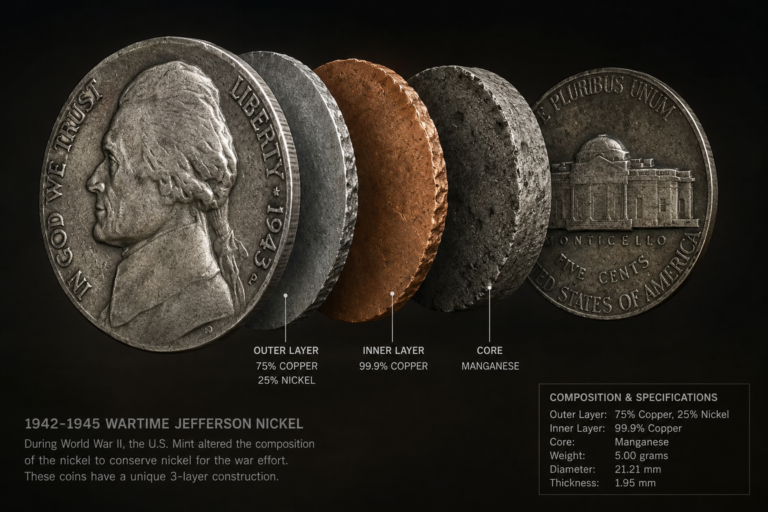
Types of Coin Errors Beginners Should Know
Estimated reading time: 22 minutes
If you are new to coin collecting, unusual coins can feel confusing. Some look different, but it is not always clear why. Is it damage, wear, or something else entirely.
The key is understanding one simple idea. Most coin errors fall into a few clear categories. Once you learn these categories, you stop guessing and start recognizing patterns instantly.
The Three Core Categories of Coin Errors
All coin errors follow the same logic as the minting process.
Coins are created in three main steps. First, the metal blank is prepared. Second, the die is created. Third, the coin is struck.
If something goes wrong in any of these steps, an error appears.
That is why coin errors are grouped into three categories.
- Planchet errors
- Die errors
- Strike errors
Understanding this structure makes everything easier.
Planchet Errors What Happens Before the Coin Exists
Planchet errors happen before the coin is even struck.
These errors come from the blank metal disc itself.
If the metal is cut incorrectly or has imperfections, the final coin will carry that issue.
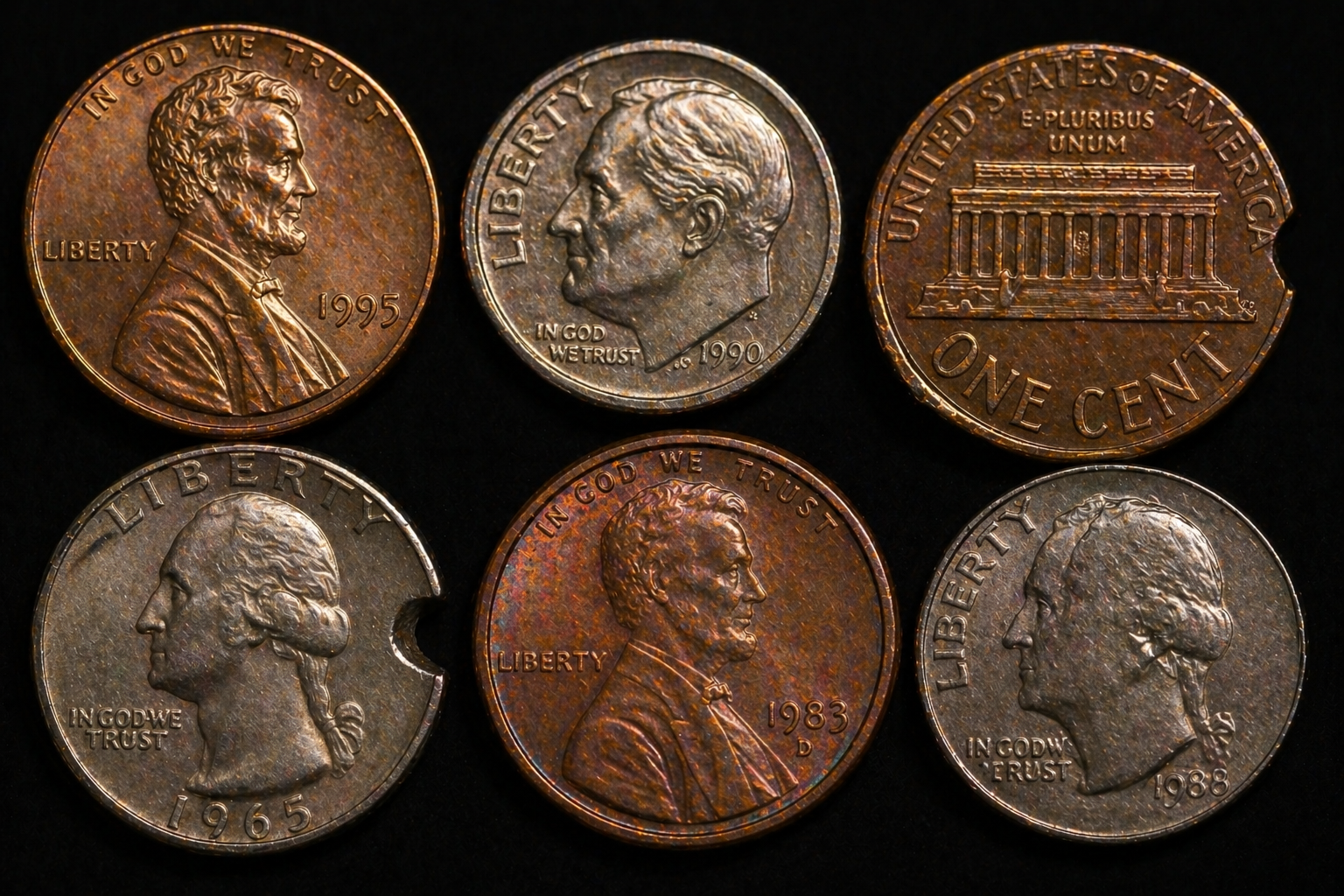
One of the most common examples is a clipped planchet.
This happens when part of the coin is missing before it is even stamped.
These errors affect the shape or structure of the coin rather than the design.
Die Errors When the Tool Creates the Mistake
Die errors come from the tools used to strike the coin.
If the die is damaged, worn, or created incorrectly, every coin produced from it will show the same issue.
One of the most well-known examples is the doubled die error.
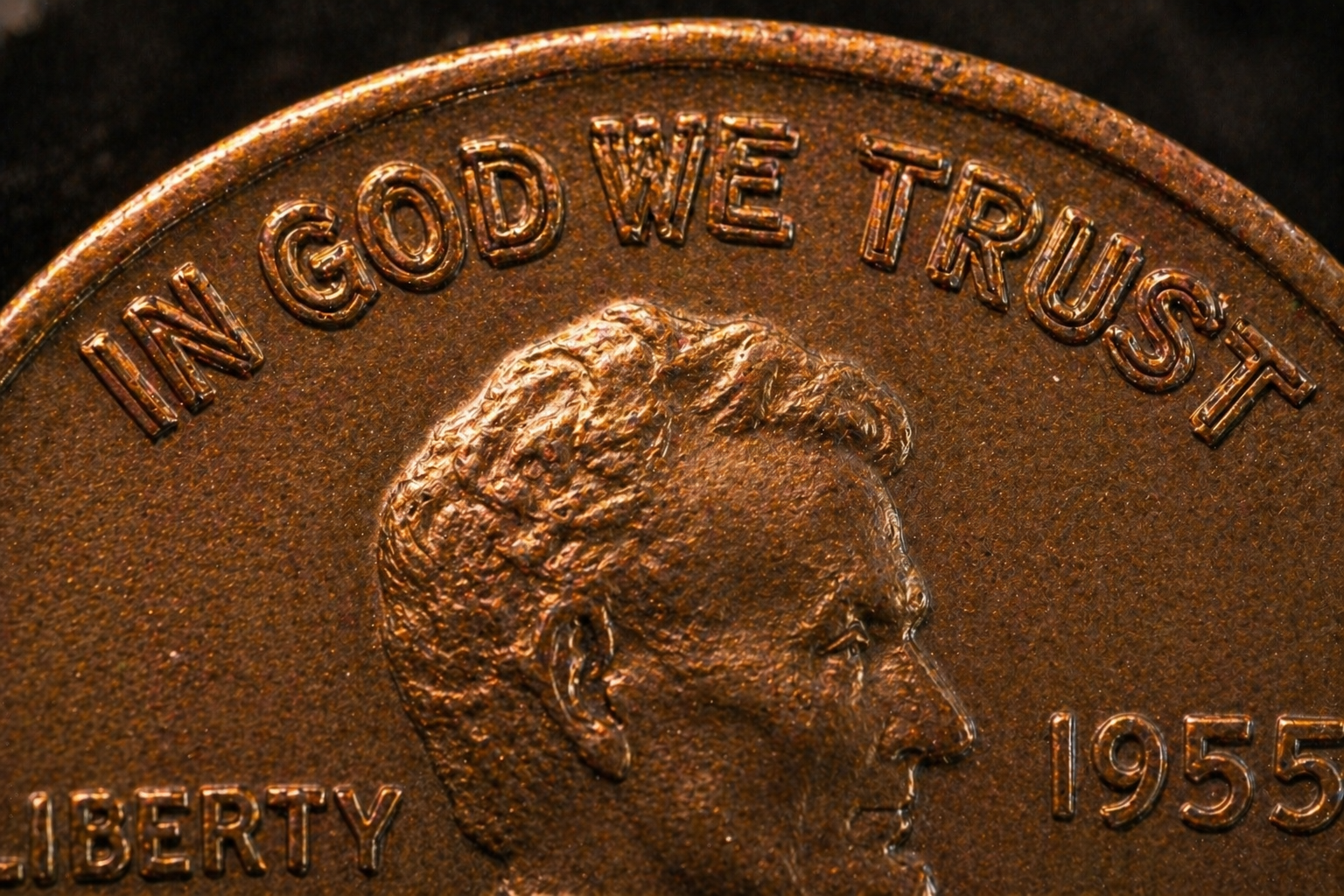
This happens when the design is slightly misaligned during die creation, causing letters or features to appear doubled.
If you want a full breakdown of how to detect these quickly, see how to spot coin errors easily.
Strike Errors When the Coin Is Made
Strike errors occur at the moment the coin is pressed.
If the coin is not positioned correctly or the strike is uneven, the result is immediately visible.
The most recognizable example is an off center strike.
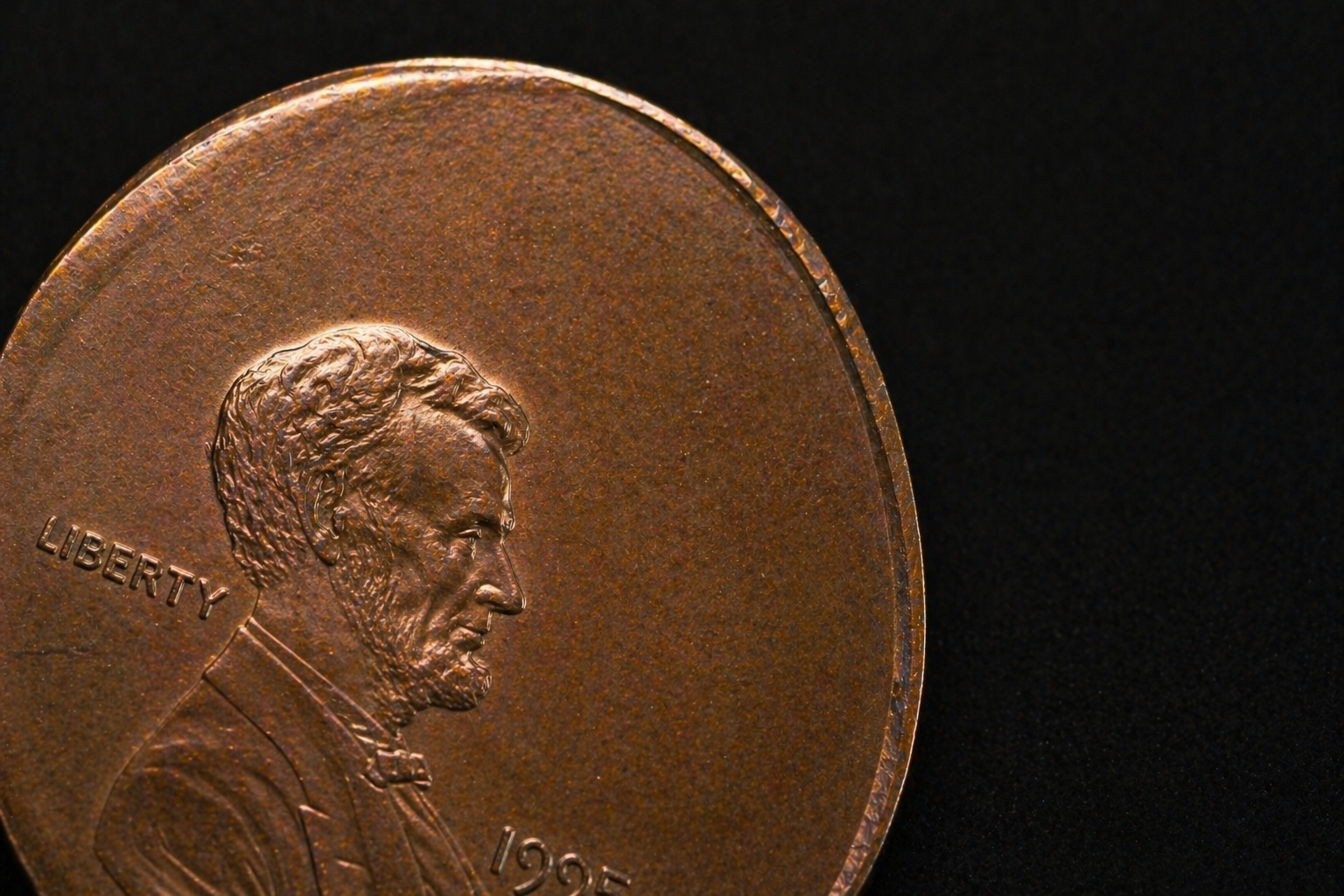
These errors are easy to identify because the design is clearly misaligned.
Common Examples Beginners See First
Most beginners encounter a few specific types of errors more often than others.
- Doubled letters or numbers
- Off center strikes
- Missing or weak details
- Clipped edges
These are easier to recognize because the differences are visible without tools.
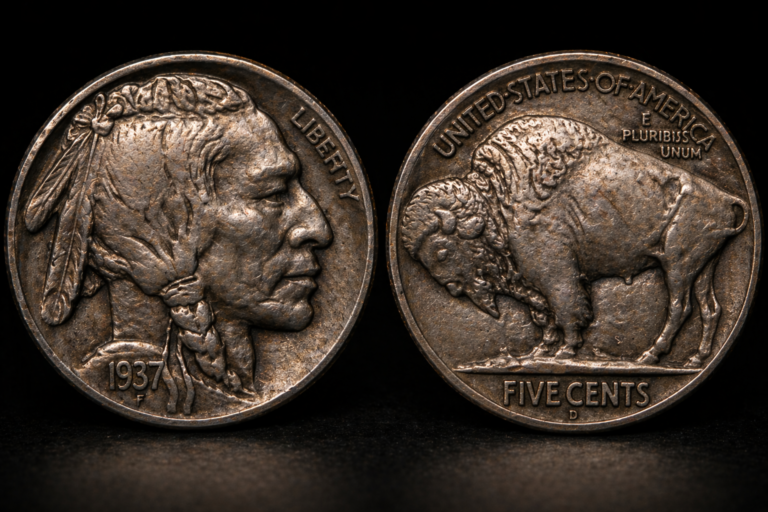
A classic example is the 3 legged Buffalo nickel, which shows how a small change in the die can create a lasting effect.
Quick Comparison Table
| Error Category | When It Happens | Main Indicator |
|---|---|---|
| Planchet Error | Before striking | Shape or metal issue |
| Die Error | During die creation | Repeated or altered design |
| Strike Error | During striking | Misaligned or incomplete design |
Error vs Damage vs Wear
This is one of the most important things beginners need to understand.
Not every unusual coin is an error.
Damage happens after the coin leaves the mint. Wear happens over time through use.
Errors happen during production.
| Feature | Error | Damage | Wear |
|---|---|---|---|
| Timing | During minting | After minting | Over time |
| Pattern | Consistent | Random | Gradual |
| Surface | Clean and structured | Scratched or dented | Smooth and faded |
Understanding this difference prevents most beginner mistakes.
How Beginners Can Learn Faster
The fastest way to improve is simple. Look at more coins.
Compare them side by side. Focus on one detail at a time.
Study coins with known variations and hidden features, like common U.S. coin errors explained or subtle design differences in classic coins.
Over time, your brain starts recognizing patterns automatically.
FAQ
What are the main types of coin errors
Planchet errors, die errors, and strike errors.
Which error is easiest for beginners to find
Off center strikes and doubled letters are the easiest to recognize.
Can damage look like an error
Yes, but damage is usually random while real errors follow consistent patterns.
Do I need tools to identify coin errors
No, careful observation is enough to identify most basic errors.