Common U.S. Coin Errors Explained
Estimated reading time: 24 minutes
Most coins look the same at first glance. Clean design, centered images, clear lettering. But sometimes, something goes wrong during production. And when it does, the result is a coin that looks slightly different… or completely unusual.
These differences are not random. They are known as coin errors. And once you understand how they happen, you start seeing coins in a completely new way.
What Are Coin Errors
Coin errors are mistakes that happen during the minting process.
They occur when something goes wrong while the coin is being made. This could be a problem with the die, the planchet, or the striking process.
The key point is this.
Errors happen before the coin enters circulation.
That is what separates them from damage or wear.
Why Coin Errors Happen
Coins are produced in massive quantities using high-speed machines.
Under this pressure, small problems can occur.
A die may shift. A planchet may be misaligned. A strike may not land perfectly.
When these things happen, the coin captures that mistake permanently.
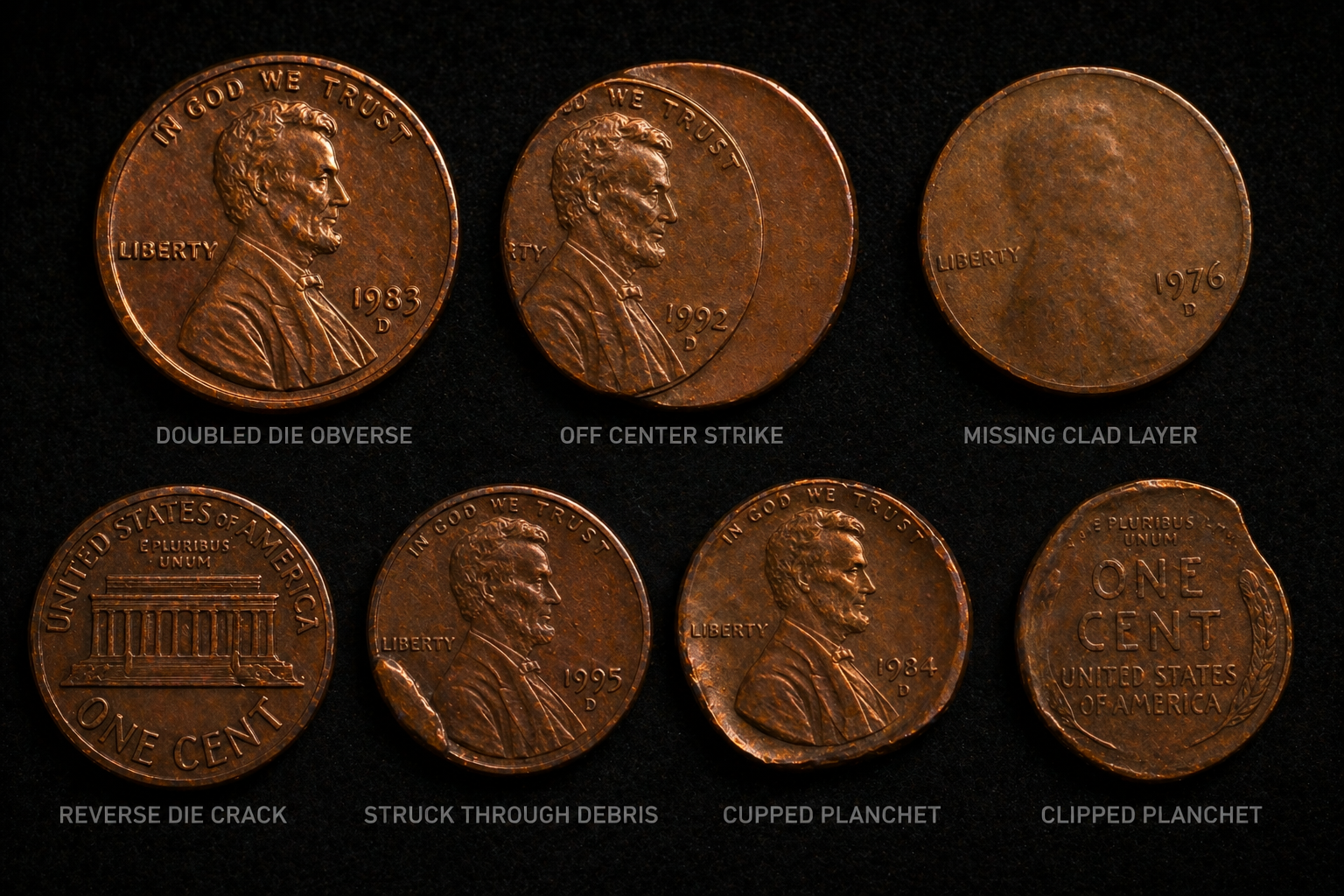
Main Types of Coin Errors
| Error Type | Description |
|---|---|
| Doubled Die | Design appears duplicated |
| Off Center Strike | Coin design is not aligned |
| Weak Strike | Details are incomplete |
| Clipped Planchet | Coin has a missing curved section |
| Die Crack | Raised lines appear on the surface |
Each type has a unique cause and visual appearance.
Doubled Die Errors Explained
This is one of the most recognizable coin errors.
It happens when the die used to strike the coin is created with a slight misalignment.
As a result, the design appears doubled.
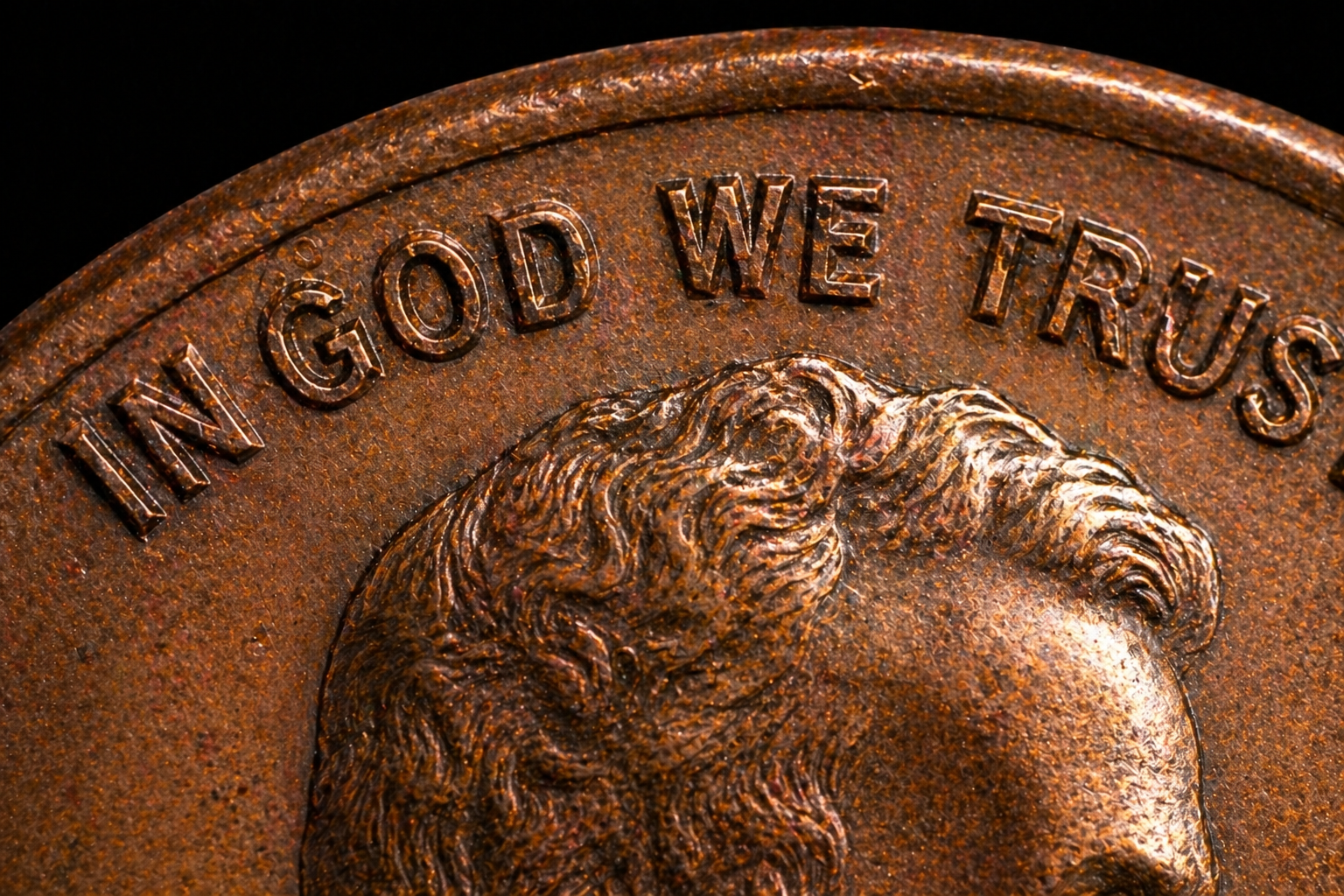
The duplication is usually clean and consistent, not random.
If you want to learn how to recognize these quickly, see how to spot coin errors easily.
Off Center Errors Explained
An off center strike happens when the coin is not positioned correctly during minting.
Part of the design is shifted, and a blank area appears on the coin.
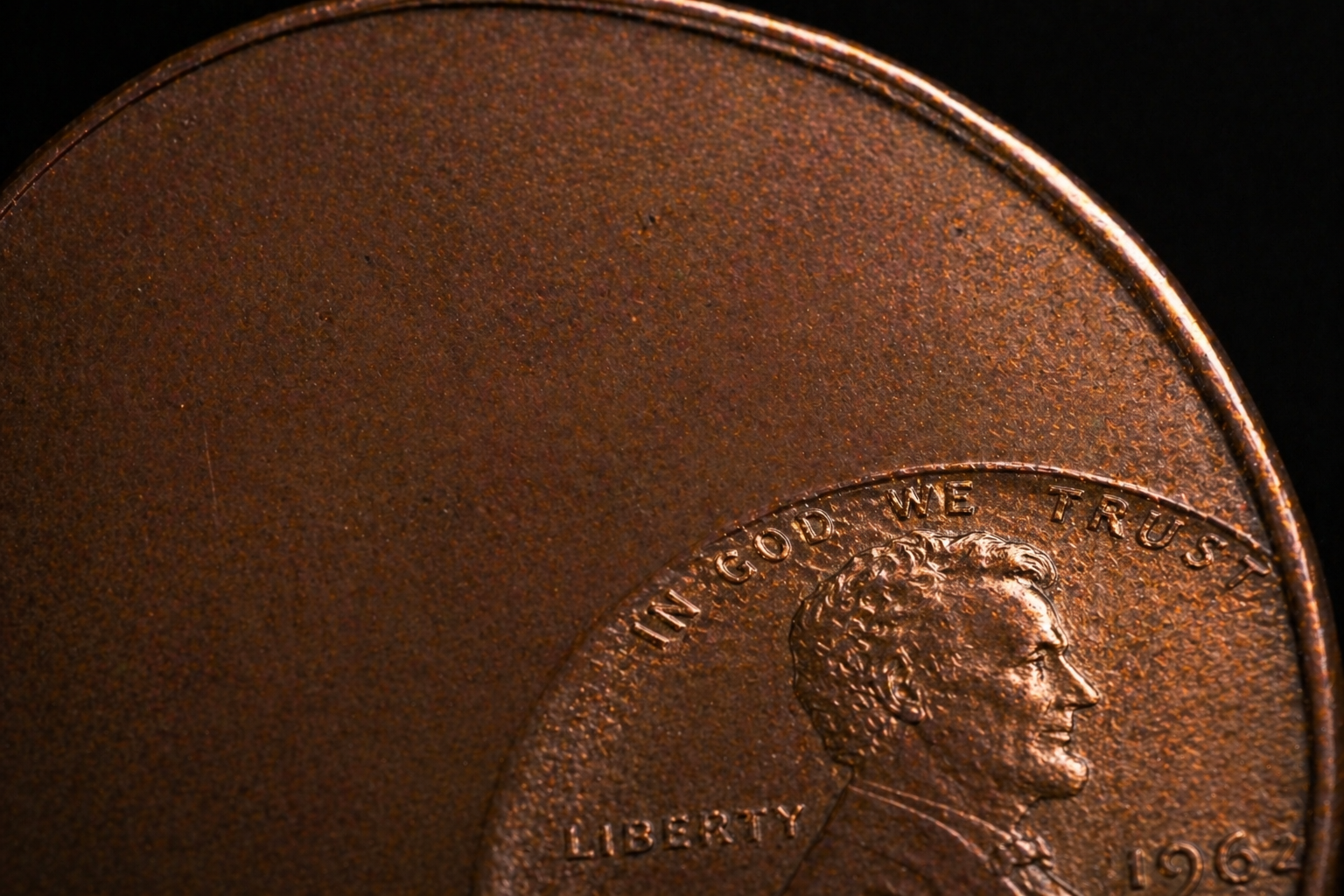
These errors are easy to spot because the difference is obvious.
Weak Strike and Missing Details
Not all errors add extra detail. Some remove it.
A weak strike happens when the coin is not pressed hard enough during minting.
This leads to faded or incomplete features.
Letters may look soft. Designs may appear shallow.
Other Common Error Types
There are several other types of coin errors worth knowing.
Clipped planchets occur when a coin is cut incorrectly, leaving a curved section missing.
Die cracks appear as raised lines caused by damage to the die.
Each of these adds another layer of variation to coins.
For example, the famous 3 legged Buffalo nickel is a result of die modification.
Error vs Damage vs Wear
This is one of the most important distinctions to understand.
| Feature | Error | Damage | Wear |
|---|---|---|---|
| When It Happens | During minting | After minting | Over time |
| Pattern | Consistent | Random | Smooth fading |
| Surface | Clean | Scratched or dented | Worn down |
Understanding this difference prevents common mistakes.
How to Spot Errors in Real Life
Spotting errors does not require expensive tools.
Start with your eyes. Use good lighting. Look at one part of the coin at a time.
Focus on:
- Letter shapes
- Alignment
- Surface consistency
You can also train your eye by studying coins with known hidden details, such as subtle design features on classic coins or unique material differences in coins.
The more you practice, the easier it becomes.
FAQ
What is the most common coin error
Doubled die and off center strikes are among the most common.
Can damage look like a coin error
Yes, but damage is usually random while errors follow consistent patterns.
Are coin errors easy to find
Some are easy, but many require careful observation.
Do all coins have errors
No, most coins are produced correctly without visible mistakes.