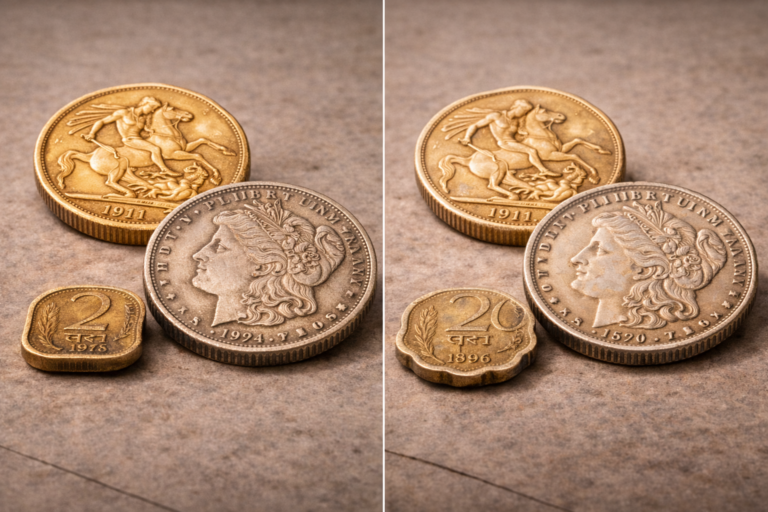
How People Decide Which Coins Matter
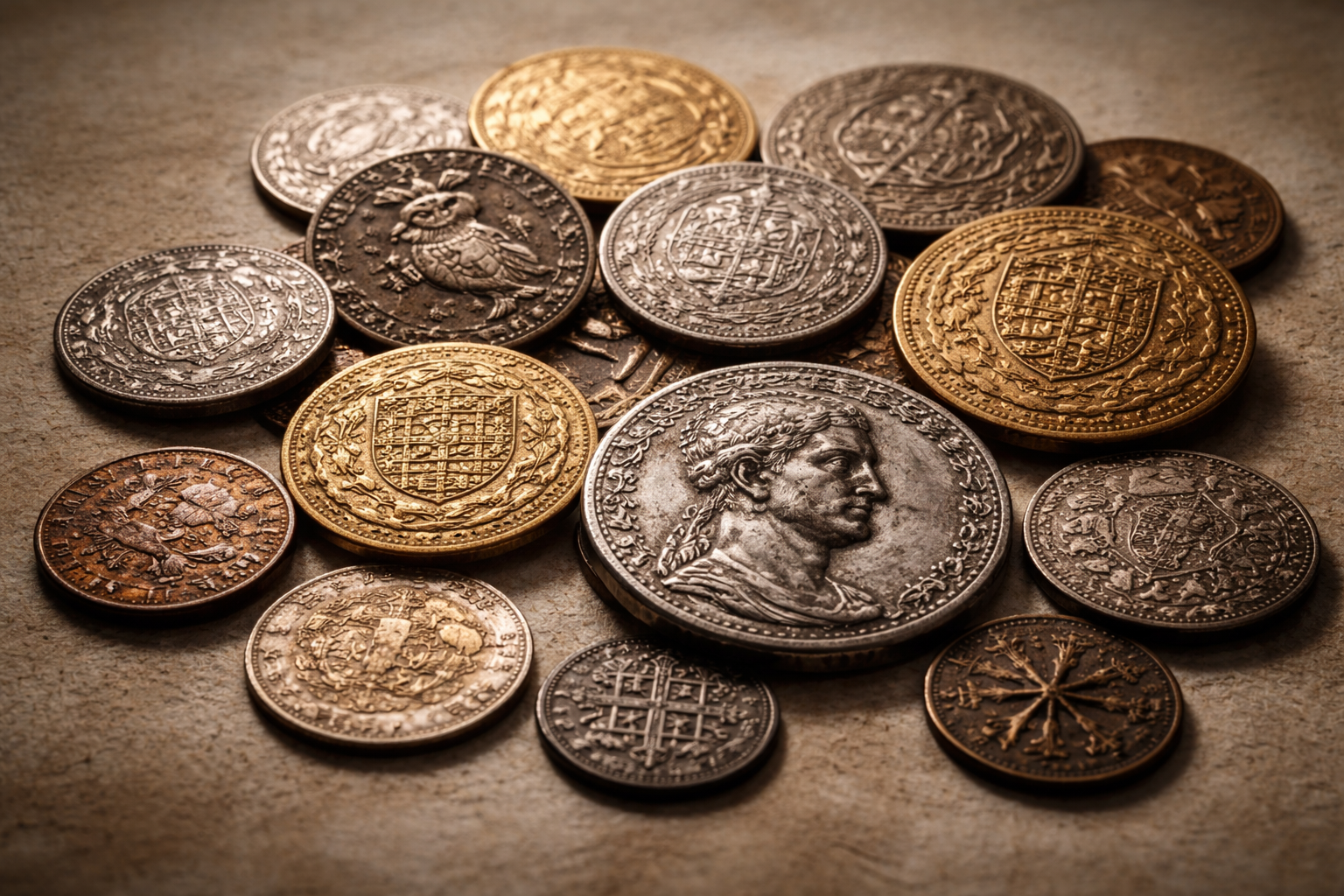
Estimated reading time. About 13 to 16 minutes.
Some coins attract attention long after they stop circulating, while others disappear quietly without leaving much trace. This difference is not random. It reflects how people decide which coins matter.
That decision is rarely made in a single moment. It forms slowly, shaped by memory, use, symbolism, and shared understanding. Coins become meaningful not because someone declares them important, but because people collectively treat them as such.
Importance is learned, not assigned.
Coins are created with a purpose, but their importance develops later. At the moment of issue, a coin is simply a tool of exchange. It gains meaning only through how people interact with it.
Daily use builds familiarity. Familiarity builds trust. Over time, certain coins become associated with specific periods, events, or changes in society.
This process explains why many questions about coins begin with curiosity rather than intent. People notice that some coins carry stories while others feel empty. They want to understand why.
Time as the first filter.
Time plays a central role in deciding which coins matter. Coins that survive across generations naturally stand out.
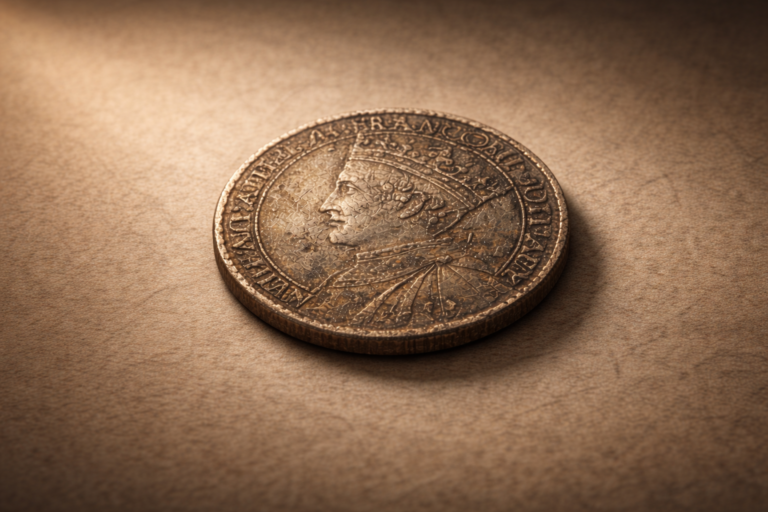
When an object outlives its original context, it becomes a reference point. A coin from a distant period invites comparison. It encourages people to ask how life worked when that coin was new.
This is why coins from early national periods, medieval economies, or ancient trade systems receive ongoing attention. Their age creates distance, and distance creates curiosity.
Recognition and shared symbols.
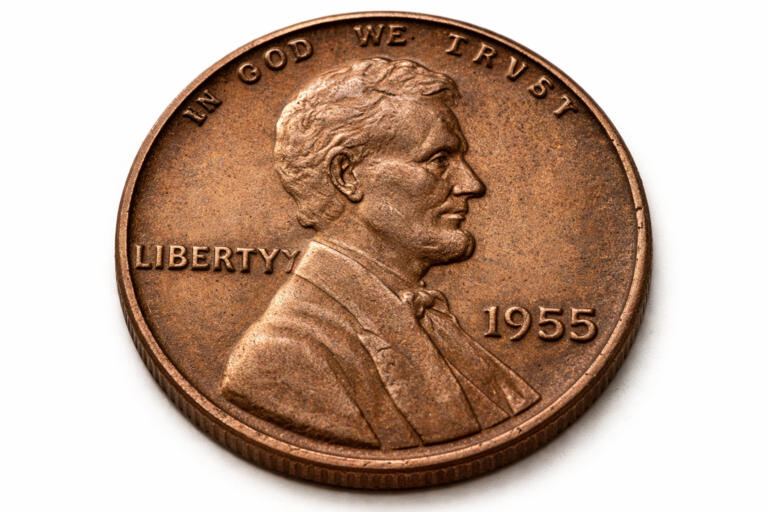
People are more likely to care about coins they can recognize. Faces, symbols, and words help coins communicate meaning.
When a coin shows a familiar symbol, it becomes easier to place within a larger story. This recognition explains continued interest in coins that carry symbolic imagery, such as representations of liberty, authority, or identity.
Questions about early American coinage often follow this pattern. Curiosity grows around who or what appears on the coin and what that image was meant to express, as seen in discussions about who was on the 1793 penny.
Use creates memory.
Coins that were widely used leave deeper impressions. High circulation means more hands, more places, and more moments of exchange.
Even after circulation ends, the memory of use remains. People remember seeing the coin, touching it, or hearing about it from earlier generations.
This collective memory helps explain why some coins continue to be discussed while others fade quickly. Visibility during life often determines importance after life.
Stories shape significance.
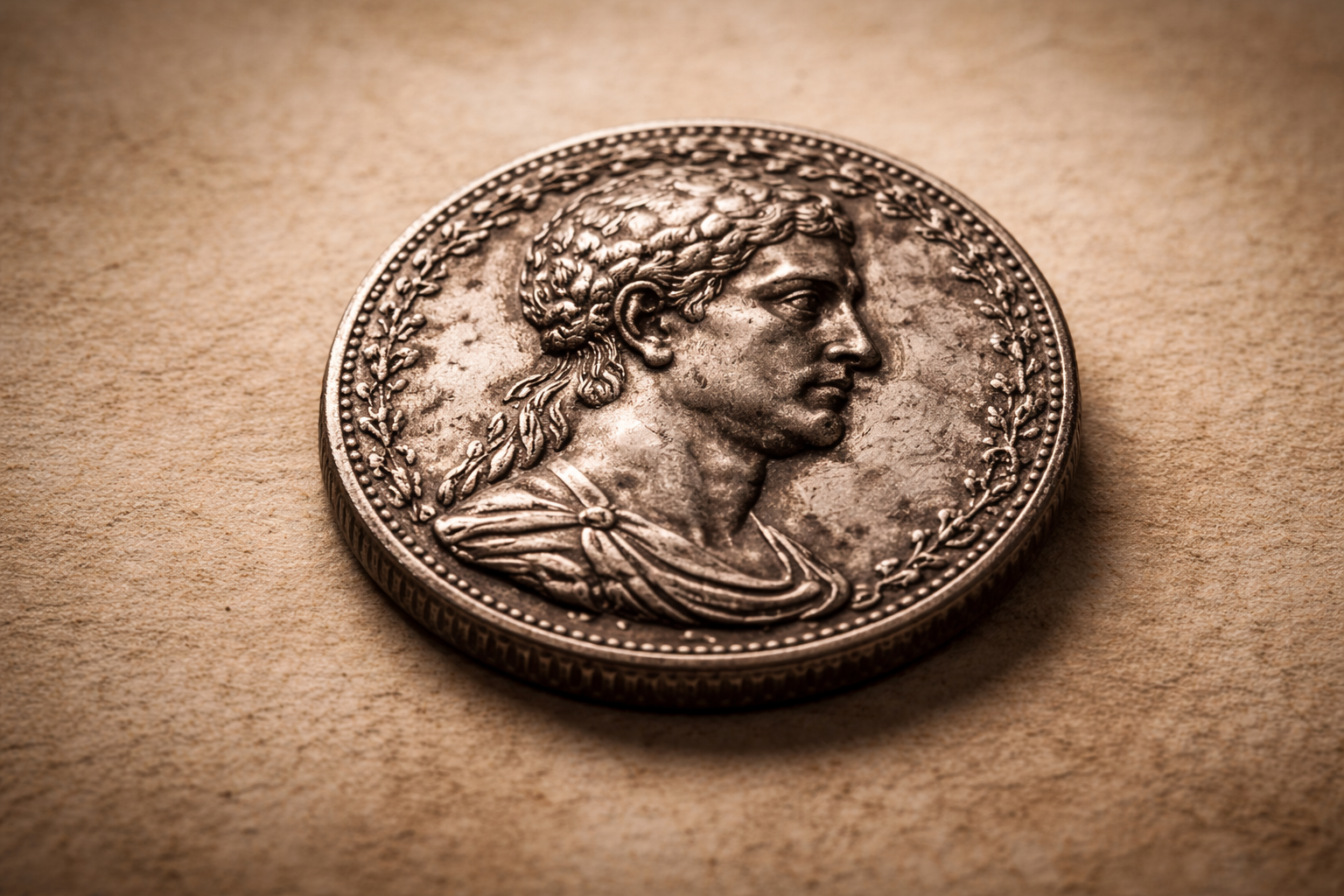
Coins that become attached to stories gain an advantage. A story gives structure to curiosity.
The story does not need to be dramatic. It can involve everyday life, gradual change, or quiet transition. What matters is that the coin helps tell a broader narrative.
This is why coins linked to shifts in trade, governance, or social structure often remain relevant. They serve as entry points into understanding larger patterns.
Comparison across eras.
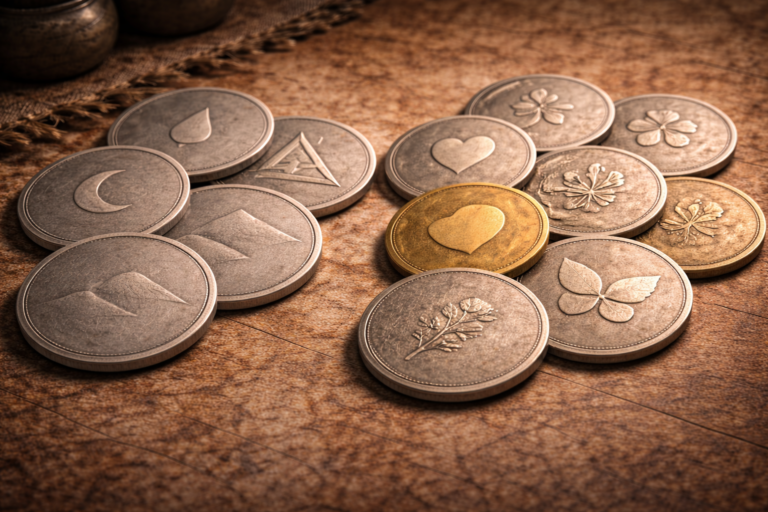
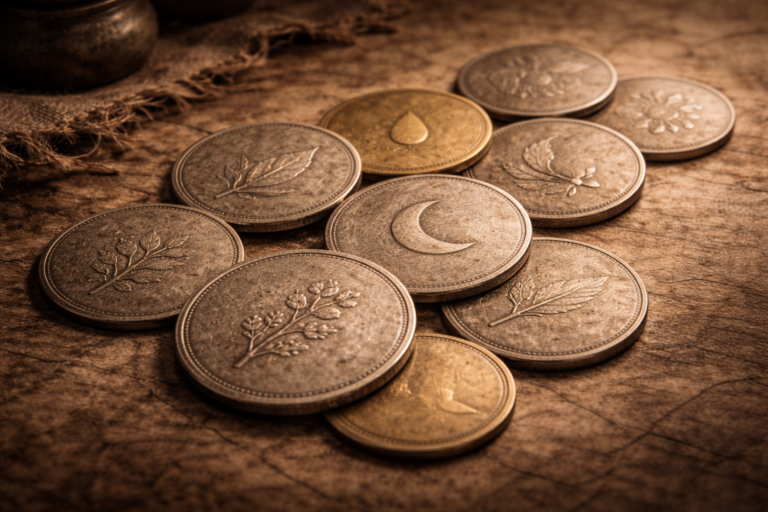
People naturally compare coins across time. Size, material, design, and symbolism all become points of reference.
Through comparison, people begin to notice change. They see how priorities evolved and how societies expressed value differently.
This process encourages questions about why certain forms replaced others and why some systems endured longer than expected, such as the methods explored in how medieval people paid without coins.
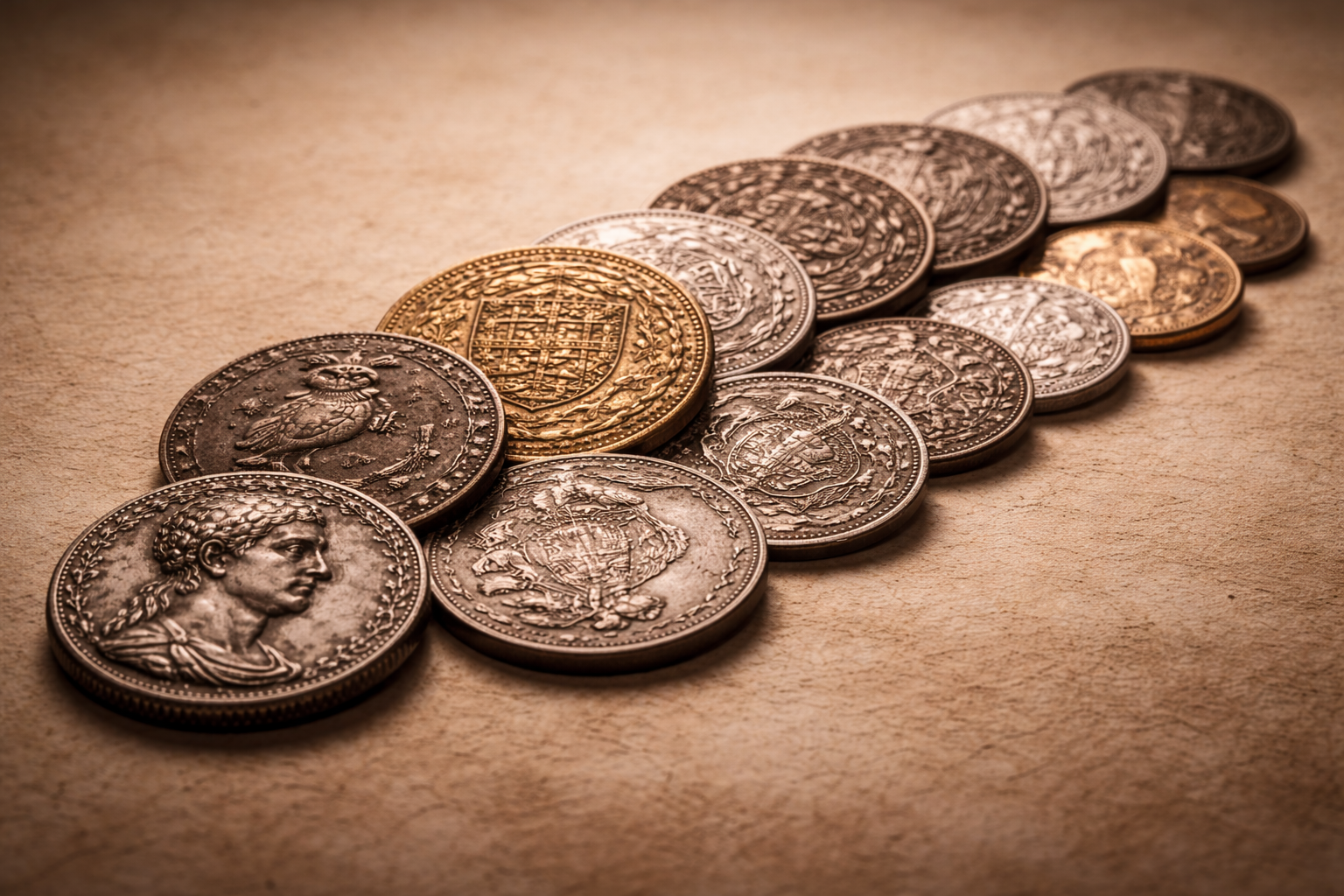
Curiosity sustains relevance.
A coin matters as long as people keep asking about it.
Curiosity renews significance. Each question brings the coin back into conversation. Each answer extends its life beyond metal.
This is why articles that explore curiosity itself, such as why people keep asking about old coins, play an important role in understanding long term relevance.
Final reflection.
People decide which coins matter through shared behavior rather than official declaration.
Time, recognition, use, and story work together to elevate certain coins above others.
Understanding this process helps explain why some coins continue to attract attention while others quietly disappear.
Coins matter when people treat them as part of a larger human story.
FAQ.
Do coins matter because of rarity alone.
No. Rarity helps, but importance usually comes from context, use, and recognition over time.
Why do people focus on specific historical coins.
Because those coins help explain larger changes in society, trade, or identity.
Does age automatically make a coin important.
Not always. Age creates interest, but significance depends on how the coin connects to history.
How does curiosity affect which coins matter.
Curiosity keeps coins in conversation and extends their relevance beyond their original purpose.
Can modern coins become important in the future.
Yes. Coins that reflect meaningful moments or changes may gain importance over time.