Why Two Wheat Pennies From the Same Year Can Look Completely Different
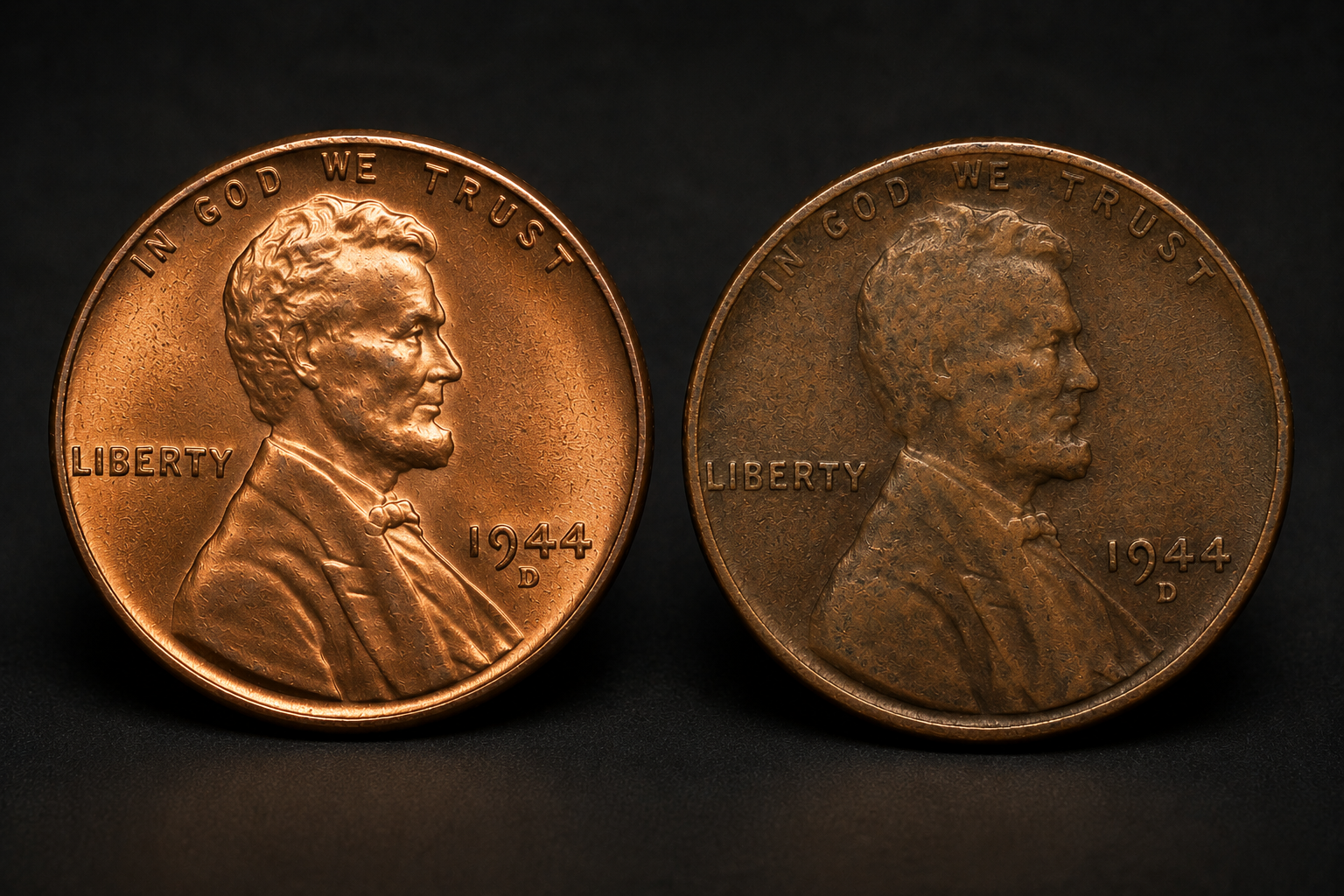
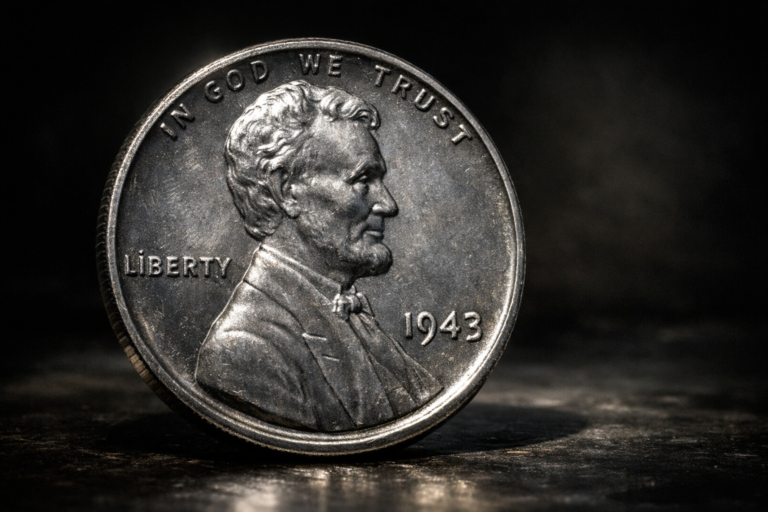
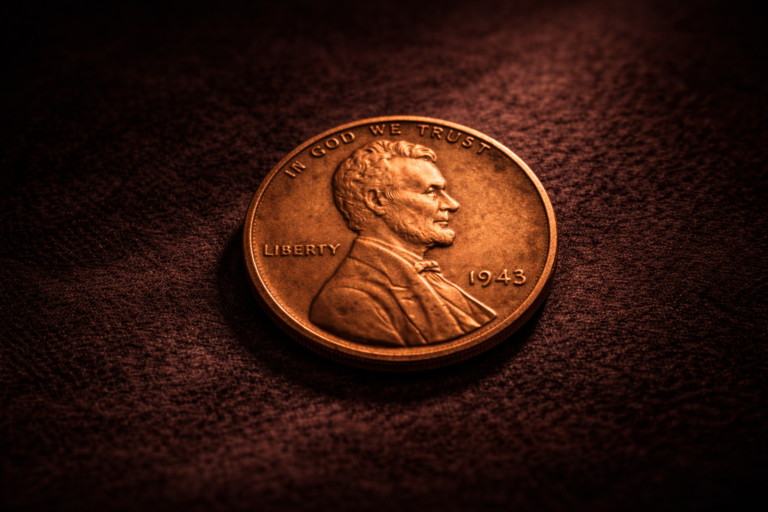
Put two Lincoln Wheat Pennies with the same date and mint mark side by side and the difference can be surprising. One may have sharp details, glowing copper color, and visible mint luster. The other may be dark brown, smooth from circulation, covered with small marks, or noticeably softer in parts of Lincoln’s portrait.
It is tempting to assume that the unusual-looking coin must be an error, variety, or something rare. Usually, the explanation is much simpler. The date and mint mark tell you when and where the coin was struck. They do not tell you exactly how well it was struck, what condition the dies were in, how much it circulated, or what happened to its surfaces during the decades that followed.
Quick Context
Two Wheat Pennies from the same year can look completely different because their appearance was shaped by two separate stages. Some differences began at the Mint through strike quality and die condition. Others developed afterward through circulation, toning, storage, contact, cleaning, and environmental exposure. Understanding which stage created a difference is one of the most useful skills a collector can develop.
Table of Contents
- Same Date Does Not Mean Identical Coin
- Some Differences Begin at the Mint
- Strike Quality Can Change the Details
- Weak Strike and Wear Are Not the Same
- Why Mint Luster Changes Everything
- The Same Date Can Have Different Copper Colors
- Decades of Storage Leave Their Own Signature
- Cleaning Can Completely Change a Coin
- Toning Is Not the Same as Environmental Damage
- Does Different Mean Error or Variety?
- Same Date, Different Appearance
- Reality Check
- Related Stories
- Final Verdict
- Frequently Asked Questions
Same Date Does Not Mean Identical Coin
Imagine two Wheat Pennies struck in Philadelphia during the same year. They came from planchets of the same basic composition and carried the same Victor David Brenner design. At first glance, it sounds reasonable to expect them to look almost identical.
But coins are mass-produced objects made by working dies, presses, and metal. The condition of those dies changes with use. Striking conditions are not perfectly frozen from the first coin produced to the last. Then, after the coins leave the Mint, their histories separate completely.
One cent might circulate for thirty years. Another might be saved in a roll almost immediately. One might spend decades in relatively stable storage. Another might encounter humidity, fingerprints, reactive materials, or improper cleaning.
By the time a modern collector finds them, the two coins may share a date but little else in appearance.
Some Differences Begin at the Mint
The first distinction to make is between differences created during production and differences created after the coin left the Mint.
At the Mint, the dies strike the planchet and force metal into the recessed areas that form Lincoln’s portrait, the lettering, the date, and the wheat design. The quality of that transfer affects how sharply the finished details appear.
Dies also change as they produce coins. A relatively fresh die may create surfaces and details that look different from those produced after the same die has experienced substantial use.
This means two legitimate coins of the same date and mint can show subtle differences in sharpness and surface character without either coin being an error.
Strike Quality Can Change the Details
A well-struck Wheat Penny may show crisp lettering, clearly defined wheat grains, stronger hair detail on Lincoln, and sharper separation in small design elements.
A less sharply struck example may look softer in some of those same places.
That difference is important because collectors sometimes interpret every weak detail as wear. But if the metal never fully received a particular detail during striking, there was nothing there for circulation to remove later.
Die state can influence appearance too. As dies are used, their surfaces gradually change. Coins produced at different stages in a die’s working life can therefore display different surface textures or degrees of design sharpness.
These are normal production realities, not automatic evidence of a rare minting mistake.
Weak Strike and Wear Are Not the Same
Circulation wear occurs after striking. Coins rub against other coins, pockets, surfaces, and countless objects as they move through everyday commerce. Over time, the highest parts of the design begin losing detail.
On a Lincoln cent, collectors examine areas of the portrait and other design elements for evidence of wear. On the reverse, the wheat design and lettering can also become smoother as circulation continues.
The important question is whether a detail was weak from the beginning or became weak because metal was worn away later.
The distinction is not always easy from a single photograph. Experienced graders consider the coin as a whole, including luster, surface texture, high points, and the pattern of weakness.
So if one 1940 Wheat Penny looks sharper than another 1940 cent, the softer coin is not automatically more worn. Strike quality has to be considered first.
Why Mint Luster Changes Everything
One of the biggest visual differences between two coins can come from luster.
Mint luster is created by the microscopic characteristics of the surface formed during striking. Under proper lighting, an uncirculated coin can show a flowing reflection that appears to rotate as the coin is tilted. Collectors often call this the cartwheel effect.
Circulation gradually disrupts that original surface. Friction and contact reduce or remove luster from exposed areas.
This is why two Wheat Pennies of similar color can still look dramatically different. One may reflect light dynamically because much of its original surface remains intact. Another may appear flat or dull because circulation or surface alteration has changed that texture.
Brightness should not be confused with luster. A polished coin can be extremely shiny while having lost the original surface characteristics collectors want to see.
The Same Date Can Have Different Copper Colors
Color creates some of the most dramatic differences of all.
Most Wheat cents are copper-rich coins, and copper surfaces gradually react with their environment. That is why one surviving example may retain reddish or orange-red color while another from the same issue has become chocolate brown.
As explained in our guide to why Wheat Pennies develop different colors, professional grading services use color designations such as RD, RB, and BN for qualifying copper coins.
A single date and mint can exist in multiple color categories. This alone demonstrates why date and mint mark cannot predict appearance.
Color preservation depends heavily on what happened after striking. Exposure to air, moisture, contaminants, handling, and storage materials can all influence how copper changes over time.
A brown Wheat Penny is therefore not automatically more worn than a red one. Color and circulation wear describe different characteristics.
Decades of Storage Leave Their Own Signature
A coin can remain uncirculated and still change dramatically.
Consider a Wheat Penny saved soon after it was issued. If stored under relatively stable conditions, it may preserve attractive surfaces for generations. Put another uncirculated example into a poor storage environment and the result can be very different.
Humidity, reactive materials, contaminants, residues, and fingerprints can affect copper surfaces. Even the location of a fingerprint can become visible years later as substances left on the coin interact with the metal.
Contact marks also vary. Coins can acquire small marks while being handled in bulk, stored together, or circulated. Another example may escape with unusually clean surfaces.
This is one reason collectors examine the entire coin rather than simply reading the date.
Cleaning Can Completely Change a Coin
Perhaps the most misleading difference occurs when one coin has been cleaned.
An old brown Wheat Penny can look dull to someone unfamiliar with numismatics, creating the temptation to make it “look new” again. Abrasive rubbing, polishing, harsh chemicals, and other cleaning methods can change the surface permanently.
The result may be a coin that appears much brighter than an untouched example of the same date.
But brighter does not mean better preserved.
Improper cleaning can leave fine hairlines, unnatural shine, disturbed color, or altered texture. Major grading services treat harmful cleaning as a surface problem, and sufficiently affected coins may receive a Details designation rather than a normal numeric grade.
Most importantly, cleaning cannot recreate the original Mint surface. Once that surface has been altered, making the coin shiny does not bring it back.
Toning Is Not the Same as Environmental Damage
Collectors should also distinguish normal color development from actual surface damage.
Natural toning can produce brown, red-brown, or darker colors while leaving the underlying surface attractive and stable. Environmental damage can involve more serious changes such as corrosion, roughness, pitting, deposits, or severe staining.
Two dark Wheat Pennies can therefore tell very different stories. One may simply have naturally toned over many decades. The other may have spent years in a hostile environment that physically damaged its surface.
Color alone is not enough to separate them.
Surface texture matters. So do deposits, rough areas, unusual patches, and evidence that the metal itself has been attacked.
Does Different Mean Error or Variety?
This is where many beginning collectors make the biggest mistake.
Two coins look different, so one must be an error.
In reality, most ordinary differences in color, wear, luster, marks, or surface texture are not mint errors. They are consequences of production quality, circulation, storage, or post-mint events.
A die variety is different again. A genuine variety results from a particular characteristic of the die and should repeat on other coins struck from that die. Proper attribution depends on specific diagnostic features, not simply on one coin looking strange.
Likewise, damage that occurred after the coin left the Mint does not become a mint error just because it created an unusual shape or mark.
When examining details on a Lincoln Wheat Penny, the first question should be what could have produced the feature, not how rare it might be.
Same Date, Different Appearance: What Could Cause It?
| What You See | Possible Explanation |
|---|---|
| Softer design details | Circulation wear, weaker strike, or a combination of both |
| Strong flowing reflection under light | Preserved original mint luster |
| Red coin beside a brown coin | Different copper surface preservation and environmental history |
| Small scratches and contact marks | Handling, bulk contact, or circulation |
| Very bright but unnatural surface | Possible cleaning, polishing, or other alteration |
| Rough dark areas or pitting | Possible corrosion or environmental damage |
| Small repeatable difference in the actual design | Potential die variety requiring proper attribution |
This is why comparison is so useful in coin collecting. Instead of asking whether one coin simply looks “better,” examine one characteristic at a time: strike, wear, luster, color, marks, and surface quality.
The more carefully those characteristics are separated, the easier it becomes to understand what actually happened to the coin.
Reality Check
Two Wheat Pennies looking completely different does not mean one of them is rare, counterfeit, or a mint error.
Even coins with the same date and mint mark can have different strike quality, die states, levels of wear, luster, copper color, contact marks, and storage histories. Cleaning or environmental damage can increase those differences even further.
Before searching for a rare variety, eliminate the ordinary explanations first. If the difference involves a specific feature of the design rather than color, wear, damage, or surface condition, then careful variety attribution may be justified.
Final Verdict
The date on a Wheat Penny records when it was made. Its surface records everything that happened before, during, and after that moment.
Strike quality and die condition can create differences at the Mint. Circulation can remove detail and luster. Copper can change from reddish tones to brown. Storage can preserve a surface or expose it to harmful conditions. Cleaning can make an old coin brighter while permanently altering the very surface collectors value.
That is why two Wheat Pennies with the same date and mint mark can look completely different decades later.
The difference is not automatically an error. Often, it is simply the visible history of two coins that began in the same place and then followed very different paths.
Frequently Asked Questions
Why can two Wheat Pennies from the same year look completely different?
Their appearance can differ because of strike quality, die condition, circulation wear, mint luster, copper toning, storage, contact marks, cleaning, and environmental exposure. The date alone does not record any of those later changes.
Can two Wheat Pennies with the same date and mint mark have different colors?
Yes. Copper surfaces change according to their environment. One coin may retain substantial reddish color while another from the same issue becomes red-brown or fully brown.
Does a weak-looking design mean the coin is worn?
Not necessarily. Some details can appear weak because of the original strike. Wear occurs after the coin enters circulation, so collectors examine luster, high points, surface texture, and the overall pattern of weakness before deciding what caused the missing detail.
Can two uncirculated Wheat Pennies look different?
Yes. Even without circulation wear, coins can differ in strike, die state, luster, color, contact marks, and storage history. Uncirculated describes the absence of circulation wear, not identical appearance.
Is a shiny Wheat Penny better than a dull one?
Not automatically. Original mint luster is desirable, but artificial shine from polishing or improper cleaning is different. A naturally toned coin can be more desirable than a brighter coin whose original surface has been altered.
Does a different-looking Wheat Penny mean it is an error?
No. Most visual differences are not mint errors. Wear, toning, strike quality, contact marks, cleaning, and post-mint damage should be considered before assuming an unusual appearance resulted from a minting error.
What is the difference between toning and environmental damage?
Toning describes chemical changes that alter a coin’s surface color and can occur naturally with age. Environmental damage involves harmful surface effects that may include corrosion, roughness, pitting, severe staining, or deposits. A dark color by itself is not enough to determine which one occurred.
Can cleaning make two identical Wheat Pennies look completely different?
Yes. Improper cleaning can remove or alter natural surface material, change color, impair original luster, and leave scratches or unnatural brightness. This can make a cleaned coin look dramatically different from an untouched example of the same issue.